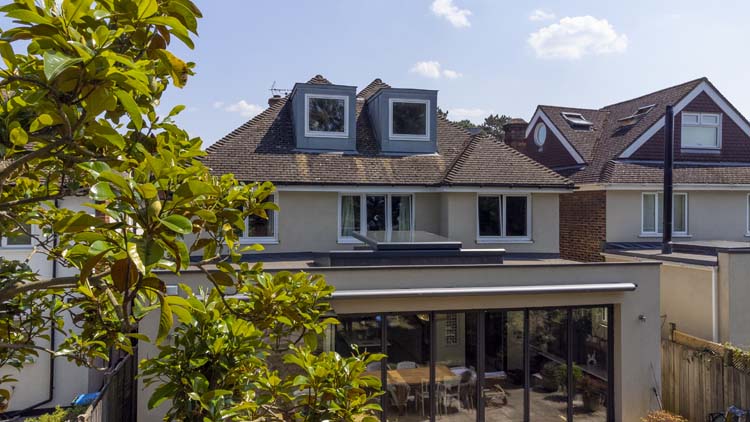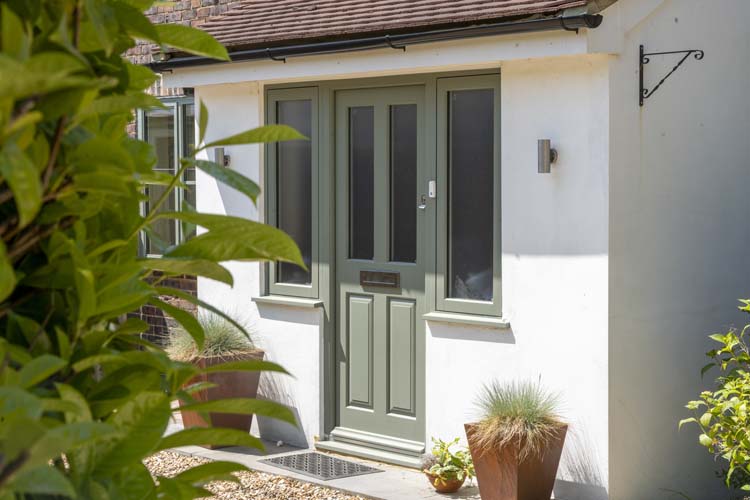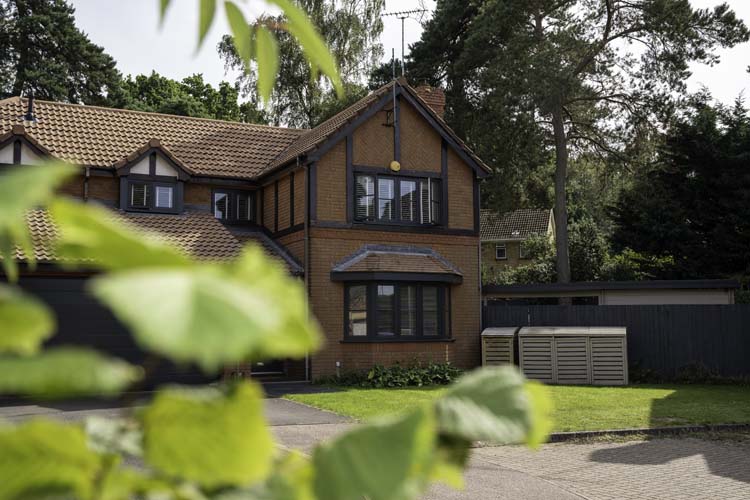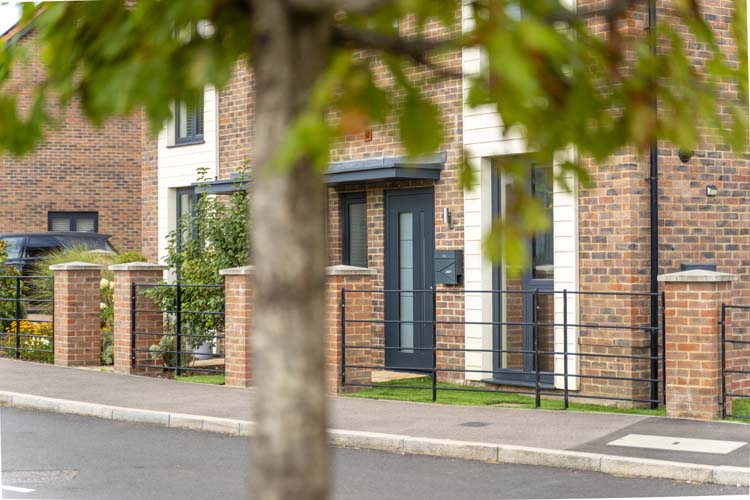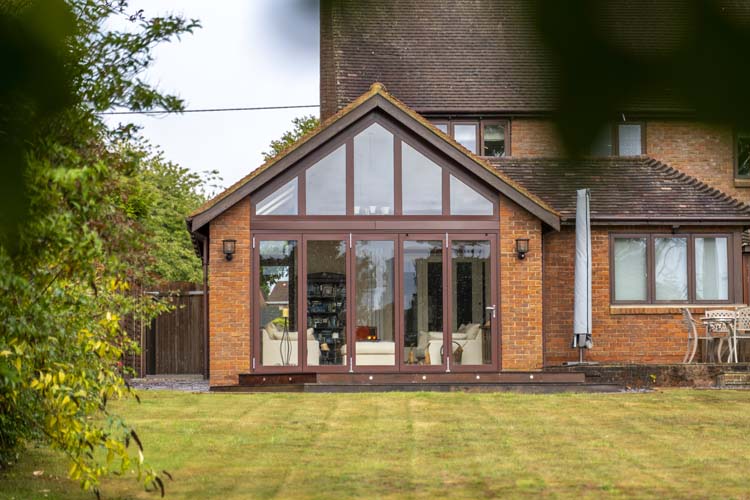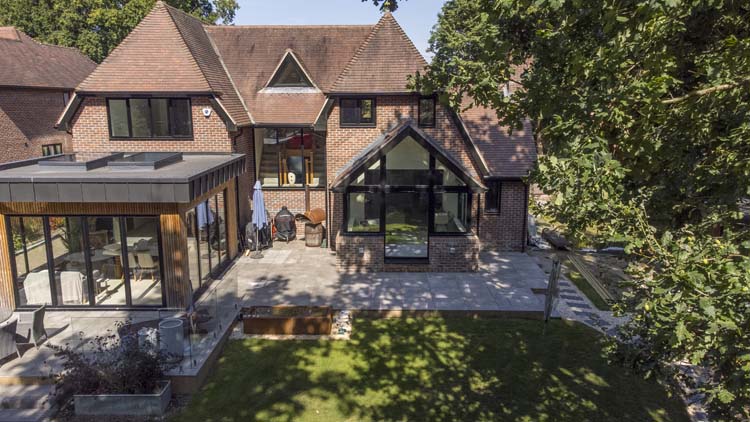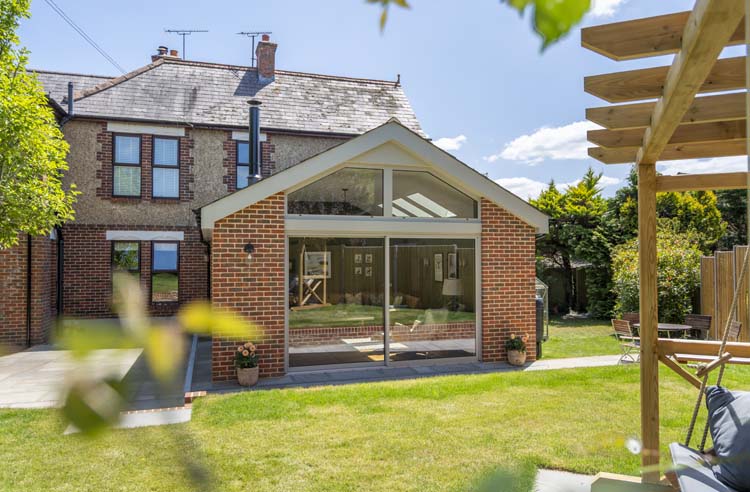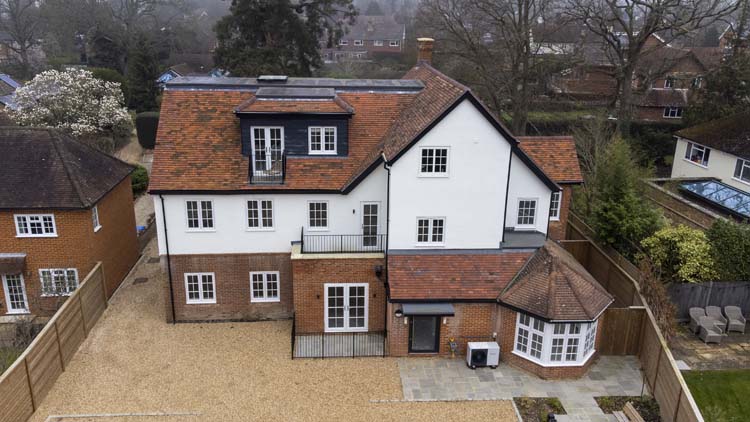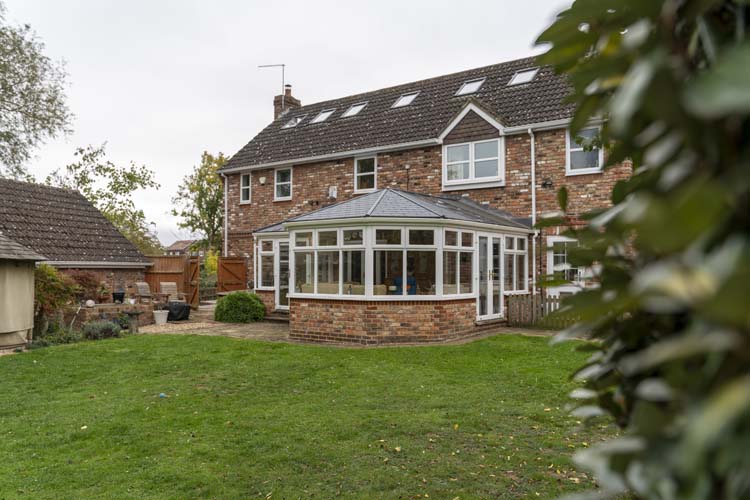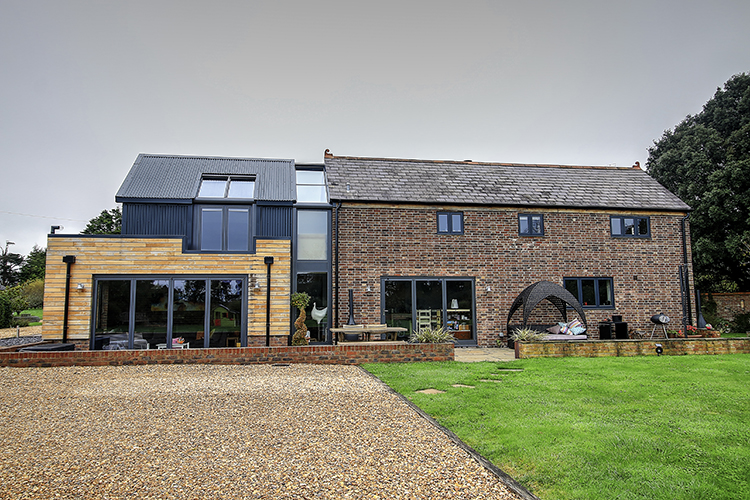
A glazed link is a striking architectural solution that connects two separate structures while maintaining their individual character. Whether joining a period cottage to a contemporary extension or linking a home to a converted barn, a glazed link creates a seamless transition filled with natural light and modern elegance.
Today, glazed links are becoming increasingly popular in residential design. Once commonly seen in commercial buildings, hospitals, universities, and retail spaces, these light-filled walkways are now transforming private homes. Homeowners are embracing glass link design to achieve open, connected living spaces without compromising the integrity of the existing building.
A glazed link does far more than simply bridge two buildings. It introduces light, enhances visual flow, and creates a sense of architectural harmony. By incorporating glass panels, structural glass elements, and precision-engineered glazing systems, designers can form a connection that feels effortless and refined.
Modern homeowners are increasingly drawn to properties that feel bright, open, and energy-conscious. A well-designed structural glass link supports this demand by creating transparency and openness while maintaining thermal performance. Thanks to advances in glazing technology, today’s glass units are highly thermally efficient, helping to reduce heat loss while maximising natural daylight.
In addition, a glazed link ensures the glass performs to the highest safety and durability standards. With options such as laminated, toughened, and reinforced glazing, these installations are engineered for long-term performance.
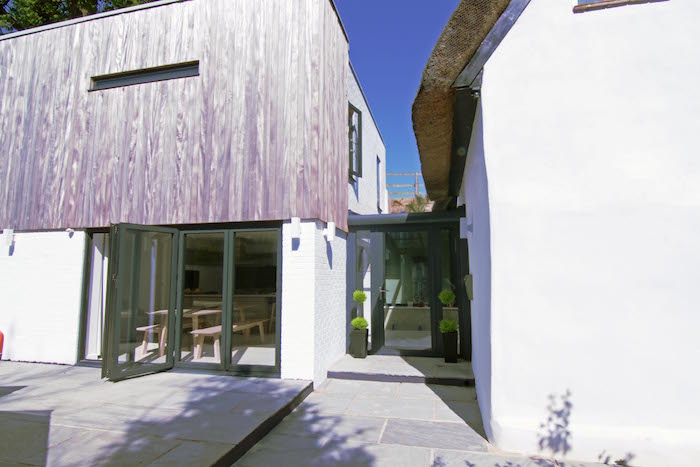
Architectural trends continue to move towards sustainability and energy efficiency. Large expanses of glazing, glass roofs, and glass wall systems are no longer limited to ultra-modern homes. They are increasingly incorporated into renovations, barn conversions, and even historical buildings.
Innovations in structural silicone bonding and advanced glass processing techniques have enabled the creation of sleek, frameless glass links that appear almost invisible. These systems reduce visual barriers while maintaining structural integrity.
Architects and designers now have more creative freedom than ever before. The combination of improved insulation, solar control coatings, and precision engineering means that glazed links can deliver both aesthetic appeal and practical performance.
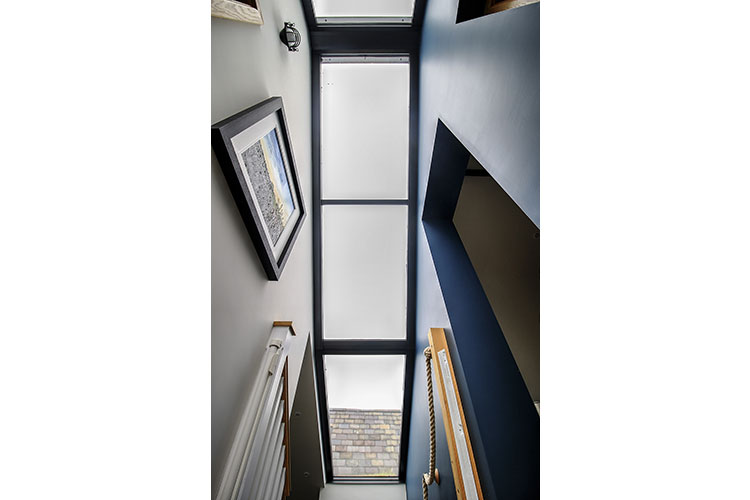
A structural glass link is a glazed corridor or walkway that physically and visually connects two separate structures. It can be internal or external and is designed to integrate seamlessly with both buildings.
These glazed links are particularly beneficial when extending listed buildings or properties within conservation areas. Planning authorities often favour a glass link design because it clearly distinguishes the new addition from the original structure. This helps preserve the character of historical buildings while allowing modern expansion.
By using a structural glass link instead of a traditional brick extension, homeowners can maintain the architectural identity of the original property. The transparency ensures that original features remain visible, creating a respectful contrast between old and new.
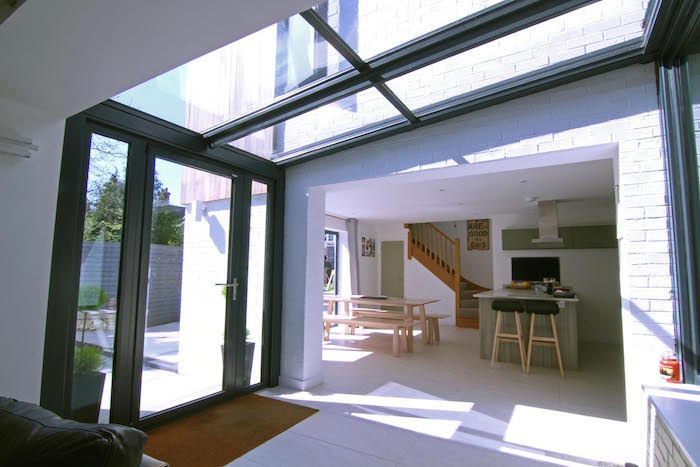
Glazed links are incredibly versatile and can be adapted to suit a wide range of property types and purposes, including:
They can also be enhanced with opening elements such as sliding doors, pivot doors, or ventilation windows. This flexibility ensures year-round usability and comfort.
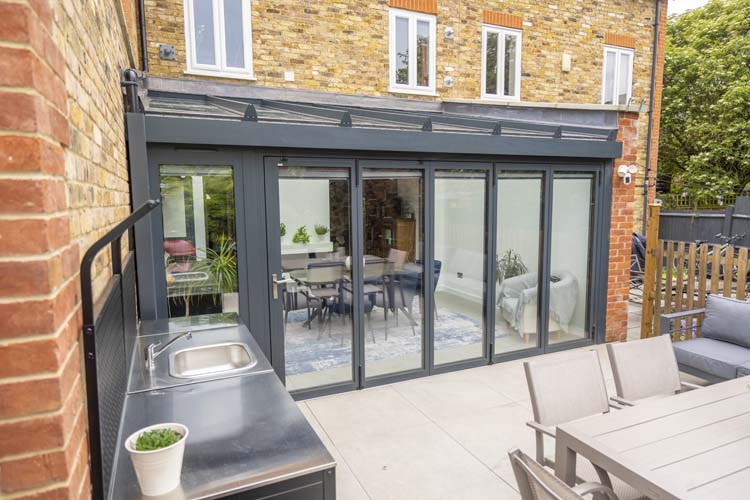
Glass roofs can be incorporated to maximise daylight from above, while a glass wall system can provide uninterrupted views of the garden or surrounding landscape. The result is a bright, welcoming transition space that enhances the home’s overall layout.
When planning a glazed link, one of the most important decisions is whether to choose frameless glass links or a minimal-framed design.
Frameless glass links represent architectural minimalism at its finest. These systems rely on structural silicone bonding and engineered glass beams to support the installation with minimal visible framework. The clean lines and uninterrupted glass panels create a seamless, floating effect.
This style is particularly popular in contemporary homes where simplicity and clarity are key design principles.
Alternatively, minimal framed glazed links use slimline aluminium or steel supports. These frames are typically thermally broken to enhance insulation and weather resistance. When combined with large glazed units, they create a balanced fusion between modern glazing and traditional architecture.
Both options can be tailored to suit the property’s style, structural requirements, and budget.
Modern glazed links can be specified with a variety of glass units to optimise comfort and efficiency. Homeowners can choose between single glazing, double or triple glazing, depending on performance requirements.
While single glazing may be suitable for certain internal applications, most external glazed links benefit from double or triple glazing for improved insulation. These systems help create thermally efficient spaces that can be enjoyed year-round.
Careful specification ensures the glass panels perform effectively in all seasons. Advanced manufacturing processes ensure the glass maintains clarity, strength, and longevity.
For listed buildings and heritage properties, a glazed link is often the preferred method of extension. Because it provides a visually lightweight connection, it reduces the impact on the original façade.
Planning authorities frequently support structural glass link proposals as they maintain a clear distinction between old and new construction. This sensitive approach protects the character of historical buildings while enabling modern improvements.
A well-designed glass link complements rather than competes with traditional materials such as brick, stone, or timber.
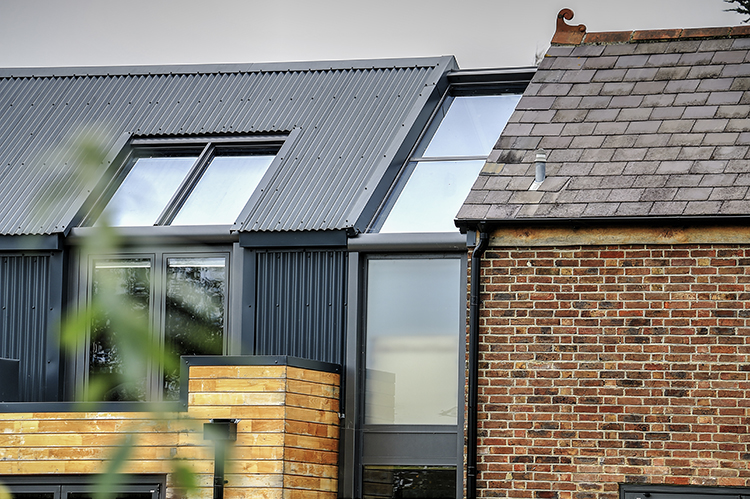
One of the most compelling reasons to install a glazed link is the transformation of interior living spaces. By introducing large areas of glazing, homeowners can increase natural light penetration and create a sense of openness.
The transparency of a glass wall or glazed corridor allows sightlines to flow uninterrupted from one structure to another. This visual continuity makes the overall property feel larger and more cohesive.
Glass roofs and vertical glass panels also blur the boundary between indoors and outdoors, strengthening the connection with . The result is a brighter, healthier home that feels both contemporary and timeless.
Thanks to continuous innovation in design and glass processing, modern glazed links are engineered for durability. High-performance glass units, precision installation, and quality materials ensure long-term structural integrity.
When professionally designed and installed, a glazed link can withstand exposure to wind, rain, and temperature changes. Structural silicone systems and reinforced glass components provide both strength and visual elegance.
Every property is unique, and a bespoke approach is essential when creating a glazed link. Careful planning ensures the design integrates seamlessly with the existing building while meeting performance and safety standards.
At Thames Valley Windows, our expert team has designed and installed bespoke glazed links across Berkshire, Hampshire, Oxfordshire, and Surrey. From contemporary frameless glass links to minimal framed structural glass link systems, we deliver tailored solutions that enhance both modern and period homes.
If you are considering a glazed link to transform your property, contact Thames Valley Windows today for expert advice and a free, no-obligation quotation. Visit our Bracknell showroom or arrange a home consultation to explore how a beautifully crafted glazed link can redefine your space.
Read our previous post - « Black Glass Internal Doors: A Technical Guide for Architects and Developers
We can provide you with full colour 3D visualisations, allowing you to explore options that you may not have considered, with complete peace of mind.
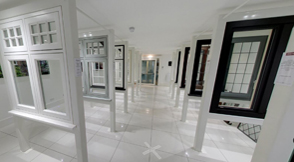
Our showroom consists of:
Thames Valley Window Company
Head Office & Showroom
44 Longshot Lane
Bracknell
Berkshire RG12 1RL
United Kingdom
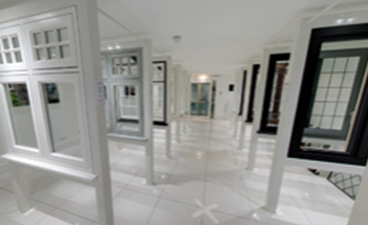
Designed so you can view most of our product range, our show room will help you understand what options will work best for you and your home.

Making plans to improve your home is exciting. If you would like to download any of our product brochures, please visit our brochure download page.