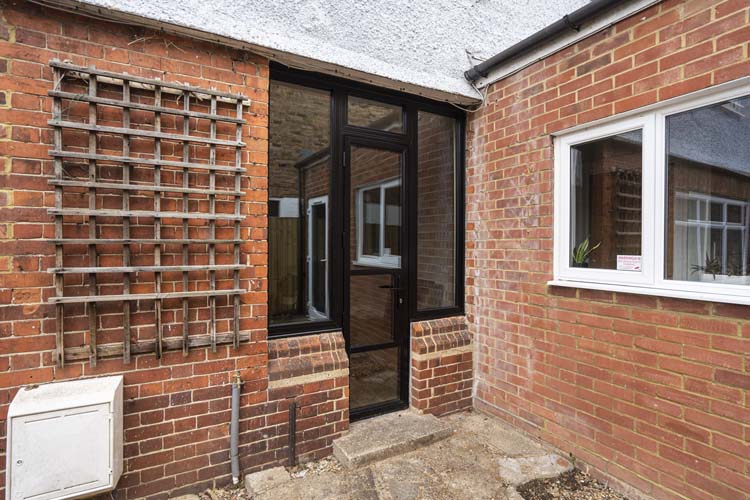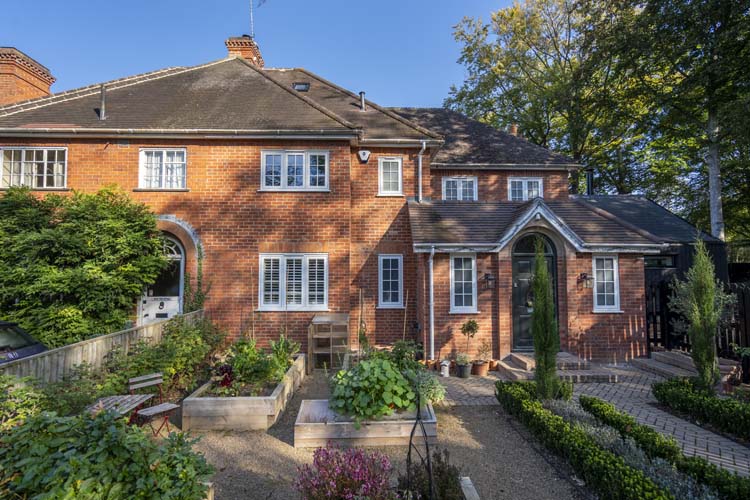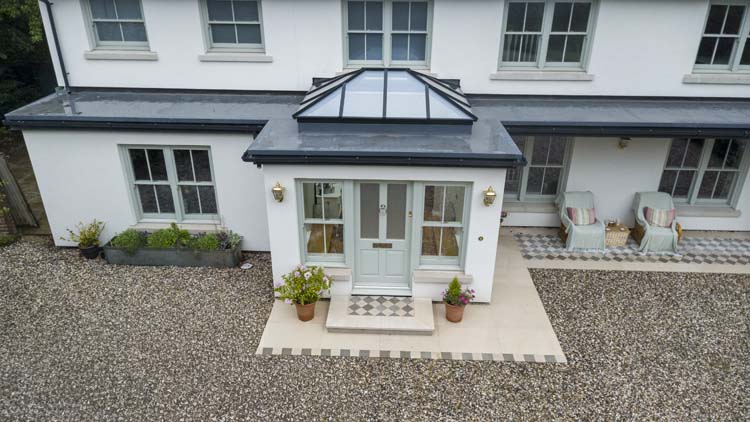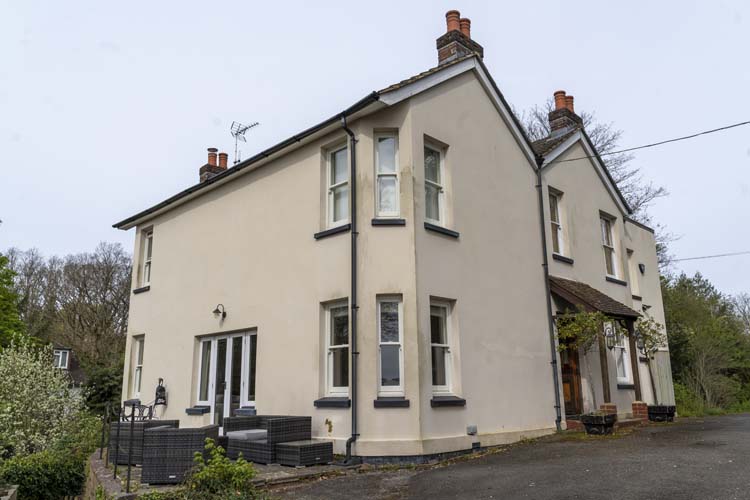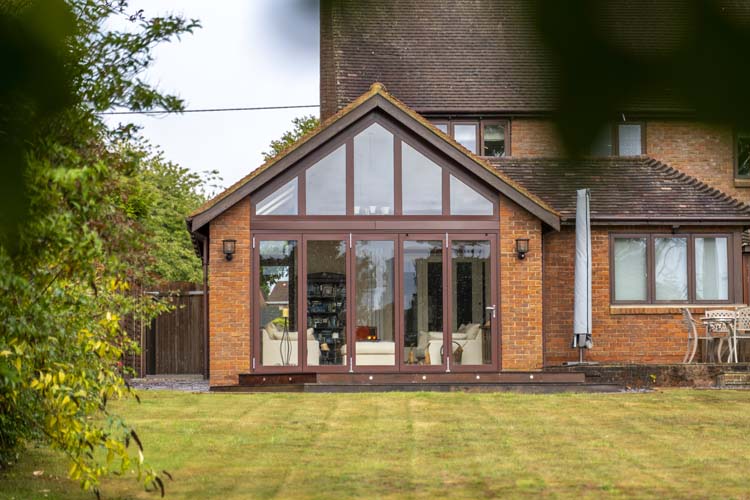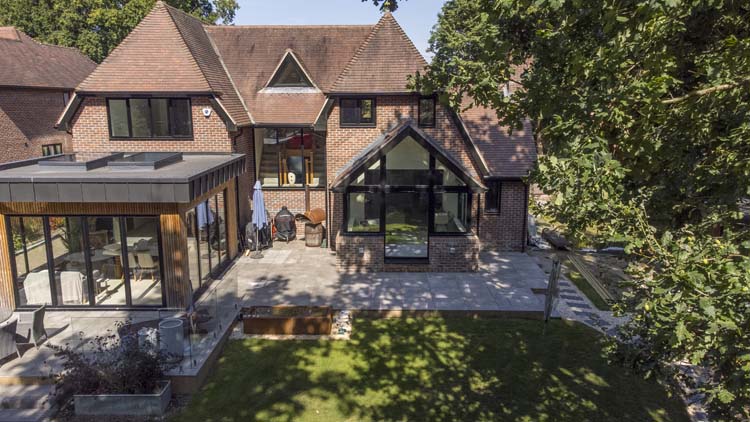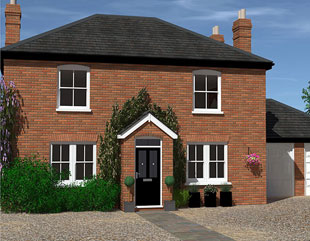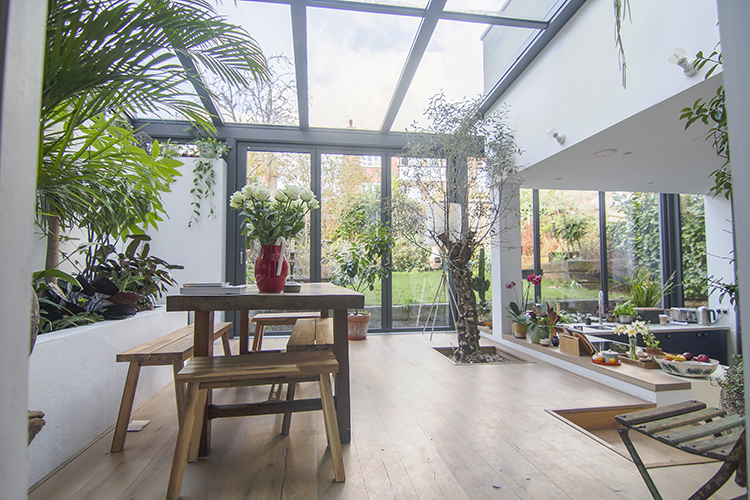
Extending a listed building in the UK can be both exciting and complex. Whether you own a charming cottage, a Georgian townhouse, or a Grade II listed house, adding space while preserving its special architectural or historic character requires careful planning. With the right approach, you can create a beautiful, functional glazed extension that complements your listed home while meeting planning authorities’ expectations.
In this guide, we explore practical and inspiring ideas for extensions to listed buildings, along with key considerations to help you navigate planning permissions and listed building consent successfully.
Before adding an extension to a listed building, it’s essential to understand what makes these properties unique. Listed properties are recognised for their special architectural or historic interest and are protected by law. They are included on the National Heritage List for England, overseen by Historic England.
There are three main categories:
If you own a grade II listed house, any changes to the existing building that affect its character will require listed building consent from your local planning authority.
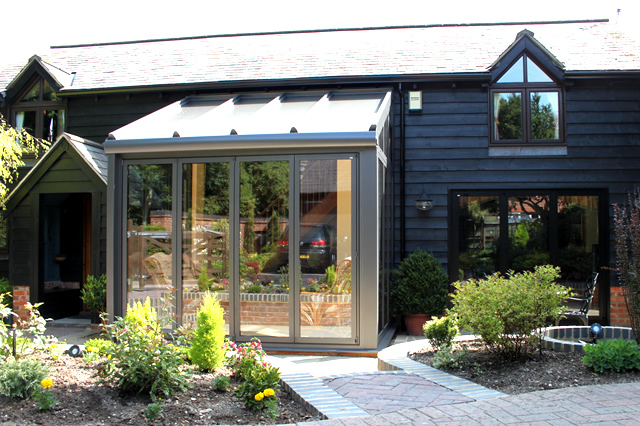
Extending a listed building isn’t the same as working on a modern property. Every decision must respect the building’s heritage and structure.
1. Engage Early with Planning Authorities
Before submitting any application, arrange a pre-application discussion with your local planning authority. Conservation officers play a crucial role in reviewing proposals for listed homes and can provide valuable guidance early on.
This step can significantly improve your chances of gaining planning permissions and avoiding costly redesigns.
2. Understand the Existing Building
Carefully assess the architectural or historic interest of your property. Identify original features such as:
Your extension should preserve and respect these elements rather than compete with them.
3. Secure Listed Building Consent
For any extensions to listed buildings, you will need:
Failure to obtain proper consent can result in enforcement action, so it’s vital to follow the correct process.
When extending a listed building, the goal is to enhance functionality while preserving historical integrity. Here are some of the most effective and popular approaches.
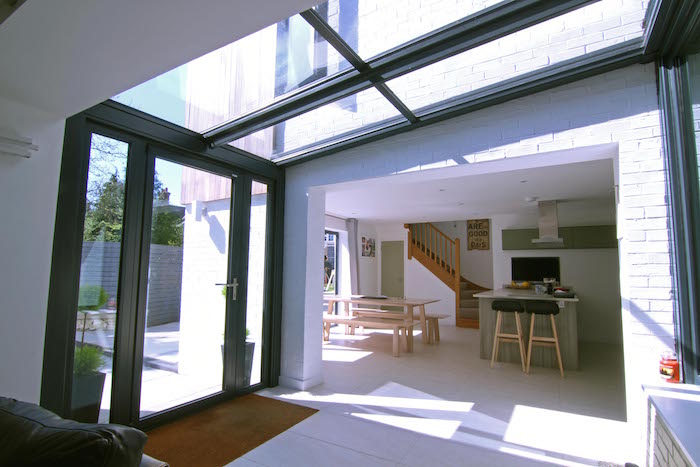
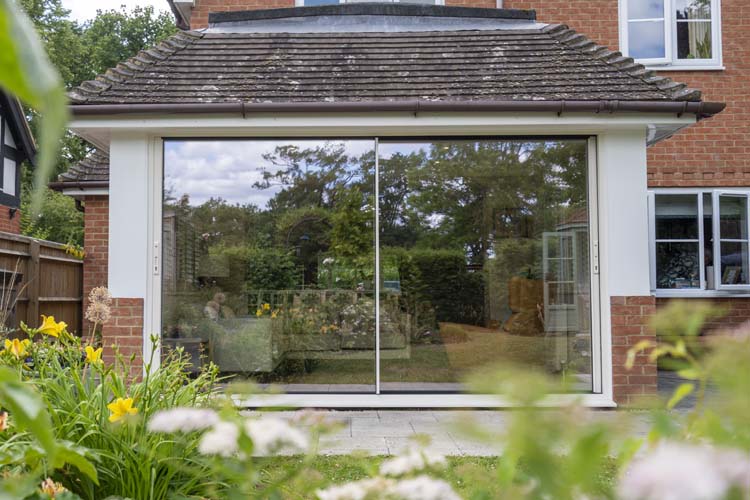
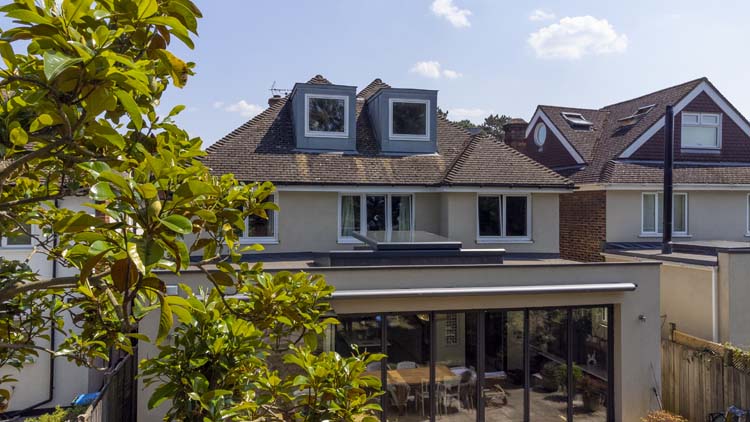
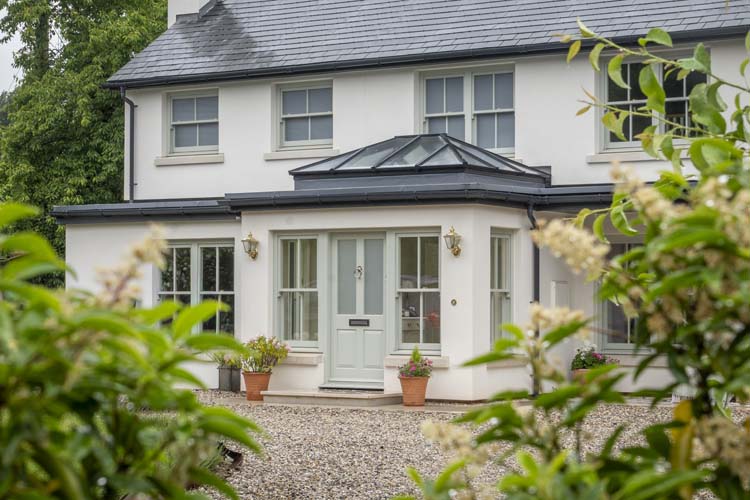
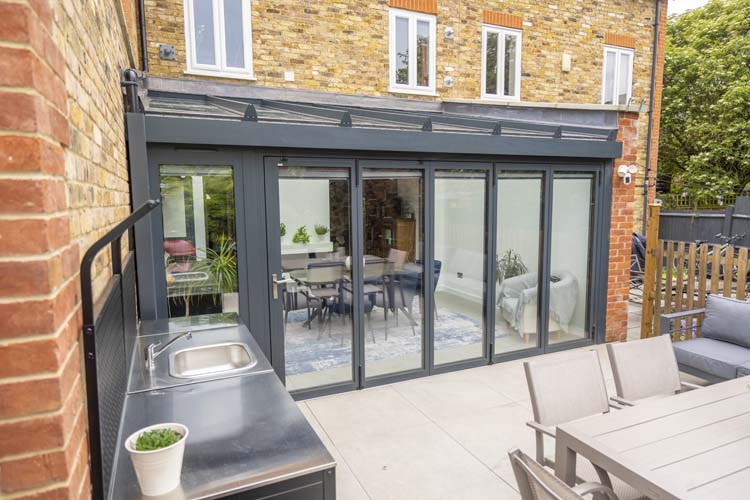
Glass extensions are one of the most popular solutions for listed properties—and for good reason.
A sleek, modern glass structure creates a clear visual distinction between old and new. This contrast is often preferred by conservation officers and Historic England because it avoids inaccurate imitation of historical styles.
Benefits include:
Minimal impact on the original structure
Increased natural light
Enhanced views of the existing building
A modern yet respectful design
Glass works particularly well for kitchen extensions, dining areas, or open-plan living spaces.
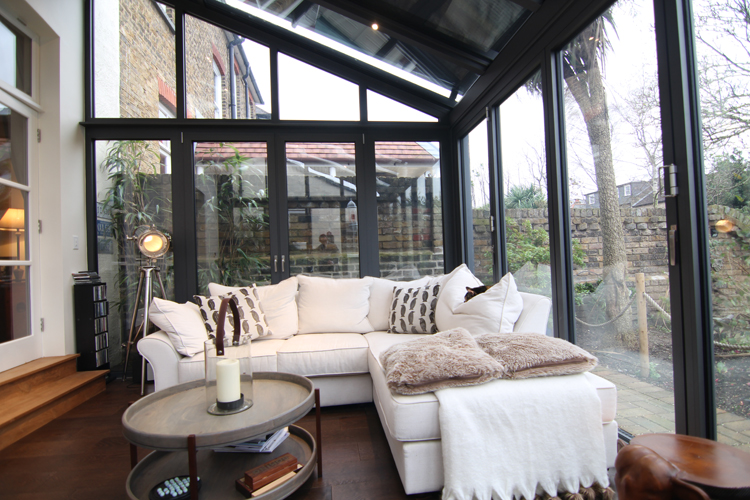
A single-storey extension at the rear of a listed home is often more acceptable to planning authorities than multi-storey additions.
These extensions:
Maintain the building’s original proportions
Reduce visual impact from the street
Provide practical additional living space
Using sympathetic materials—such as reclaimed brick or timber—can help the extension blend subtly with the existing building.
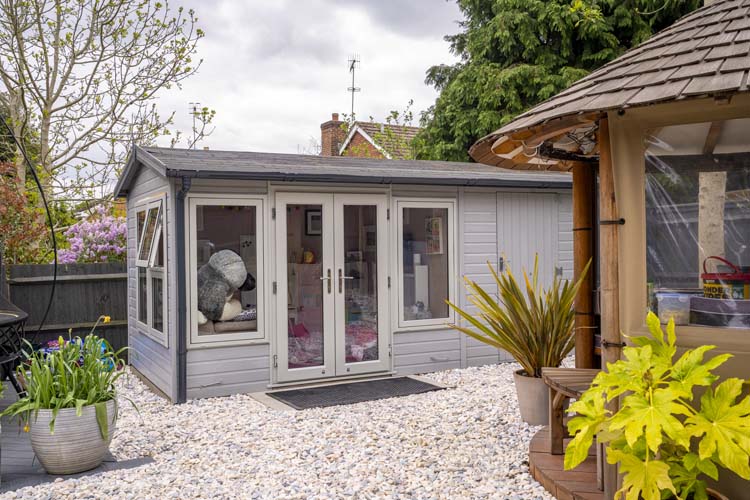
A garden room is a fantastic way to extend a listed building without heavily altering its structure.
Typically designed as a light-filled space, a garden room can be used as:
A home office
A relaxation space
A dining or entertaining area
Because garden rooms are often detached or lightly connected, they can be easier to gain approval for, especially when designed with minimal intervention.
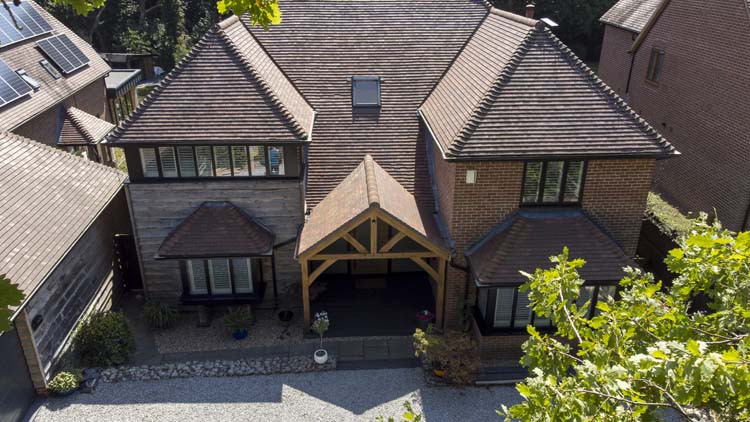
For period properties, particularly rural homes or barns, oak frame extensions offer a timeless solution.
Oak structures:
When carefully designed, they can feel like a natural continuation of the listed home while still being identifiable as a modern addition.
In cases where external changes are restricted, a basement extension can provide additional space without altering the building’s exterior appearance.
This approach is ideal for:
However, this option requires detailed structural planning and consultation with conservation officers.
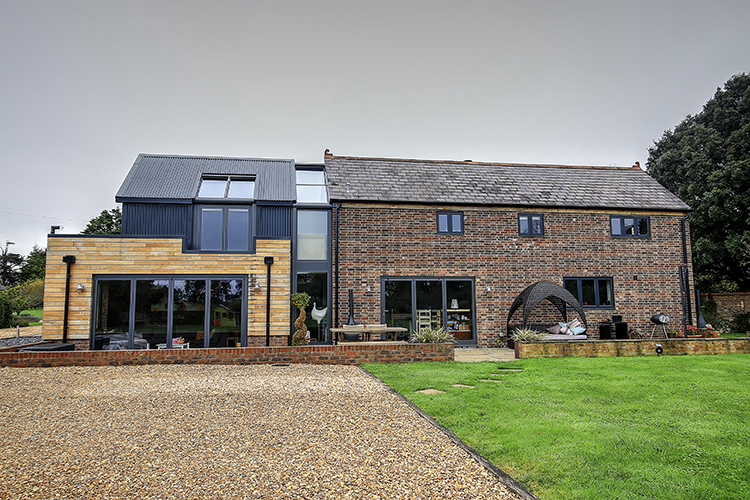
A link extension connects the original listed building to a new structure via a lightweight, often glazed, corridor.
This design:
Link extensions are particularly effective when converting outbuildings or adding modern living spaces.
Your extension should never dominate the listed building. Instead, it should appear secondary in scale and design.
Whether you choose glass, timber, or brick, materials should be carefully selected to complement the existing building.
Minimal framing and large glazed panels help maintain visibility of the original structure, which is often favoured by planning authorities.
Avoid removing or altering key elements of architectural or historic interest. Instead, design around them.
Extending a listed building requires a collaborative approach. Working with experienced professionals can make the process smoother and more successful.
Key experts include:
Their expertise will help ensure your plans meet the expectations of local planning authority guidelines and Historic England recommendations.
When adding an extension to a listed building, the process typically involves:
The process can take several weeks or longer, depending on the complexity of the project.
Extending a listed building is a rewarding opportunity to enhance your home while preserving its unique heritage. By respecting the property’s architectural or historic interest and working closely with planning authorities, you can achieve a design that balances tradition with modern living.
Whether you opt for a contemporary glass extension, a single-storey addition, or a beautifully crafted garden room, the key is thoughtful design and careful planning.
With the right approach, your listed home can evolve to meet modern needs while retaining the charm and character that make it truly special.
Read our previous post - « Traditional Windows: Timeless Timber Design for Classic Homes
We can provide you with full colour 3D visualisations, allowing you to explore options that you may not have considered, with complete peace of mind.
Our showroom consists of:
Thames Valley Window Company
Head Office & Showroom
44 Longshot Lane
Bracknell
Berkshire RG12 1RL
United Kingdom
Designed so you can view most of our product range, our show room will help you understand what options will work best for you and your home.

Making plans to improve your home is exciting. If you would like to download any of our product brochures, please visit our brochure download page.