Living in a beautiful home should mean enjoying peace and comfort, yet outside noise can quickly become a daily frustration. Whether it’s busy roads, aircraft, trains, barking dogs, or late-night activity, unwanted sound can affect sleep, concentration, and overall well-being. Many homeowners ask how secondary glazing reduces noise and whether it offers a worthwhile alternative to replacing existing windows.
Secondary glazing has become an increasingly popular solution for period properties, listed buildings, and homes situated in noisy locations. Rather than removing your existing windows, it adds an internal glazed panel that creates an additional barrier to reduce noise. This discreet system preserves the property’s original appearance while delivering noticeable improvements in acoustic performance, energy efficiency, and comfort.
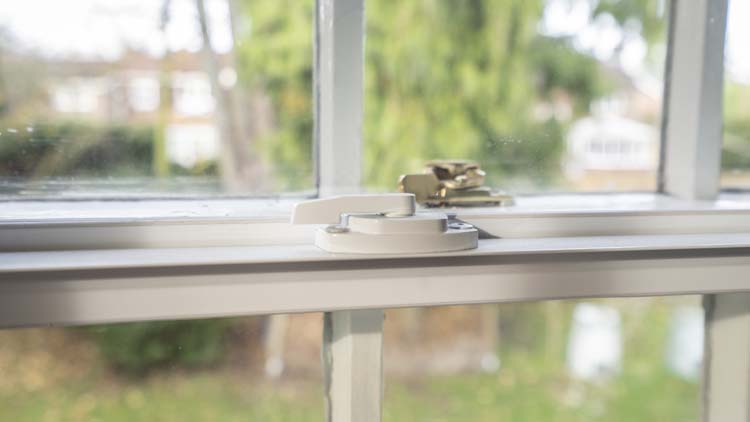
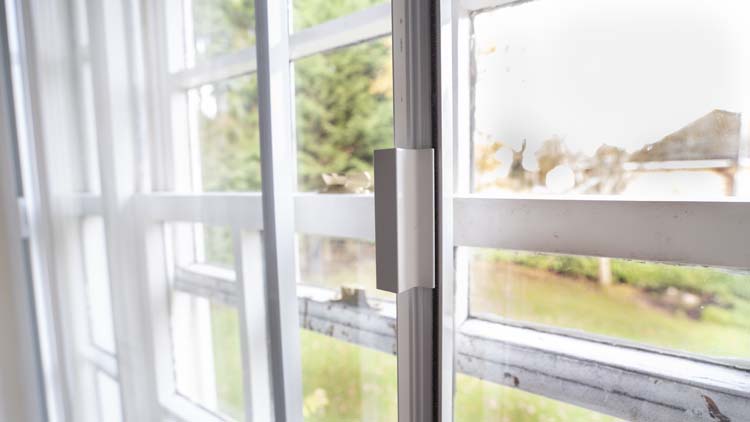
Secondary glazing involves installing a second pane of glass on the inside of your existing window. The new panel sits within its own slim window frame, creating an insulating air cavity between the original window and the secondary glazing.
Unlike double glazing, which replaces the entire window unit, secondary glazing leaves the external window untouched. This makes it particularly suitable for heritage homes, conservation areas, and listed buildings where maintaining original architectural features is essential.
Alongside reducing noise, secondary glazing can also improve thermal insulation, minimise draughts, reduce heat loss, and enhance security, making it a practical and cost-effective investment for many homeowners.
Understanding how secondary glazing reduces noise starts with understanding how sound travels.
Noise moves through the air as vibrations. When those vibrations reach your windows, they pass through the glass, surrounding frame, and any small gaps before entering your home. Older single-glazed windows are particularly vulnerable because they typically have thinner glass, ageing seals, and more air leaks.
Secondary glazing interrupts this process in several ways.
Instead of travelling through one layer of glass, sound must now pass through:
Each layer weakens the sound waves before they enter your living space. As the vibrations lose energy, less external noise reaches the room, creating a much quieter indoor environment.
One of the biggest advantages of secondary glazing is the generous air cavity created between the two panes of glass.
Many people assume thicker glass alone provides the greatest acoustic benefit, but the distance between the original window and the secondary glazing often plays an even more important role.
A larger air gap allows sound vibrations to dissipate before reaching the second pane. This significantly improves acoustic insulation, especially when compared with conventional sealed double glazing, where the cavity between panes is much smaller.
Because secondary glazing typically creates a much wider separation, it can often outperform replacement double-glazed units for reducing external noise.
This makes it especially beneficial for properties located near:
The ideal cavity size depends on the property and available window reveal, so bespoke design is always recommended.
Not all sound behaves the same way.
High-frequency sounds such as conversations, birdsong, or children’s voices are generally easier to reduce than lower-frequency noises like heavy traffic, buses, trains, or aircraft.
Low-frequency sound carries greater energy and naturally travels further, making it more difficult to eliminate.
Although no glazing system can create complete silence in every environment, secondary glazing significantly reduces the intensity and sharpness of outside noise. Instead of intrusive sounds dominating the room, they become softer, less distracting, and far easier to live with.
For many homeowners, this creates a dramatic improvement in everyday comfort, particularly in bedrooms, home offices, and living areas.
The type of glass installed within the secondary glazing system has a significant impact on its overall performance.
Standard toughened glass provides excellent results for many homes, while thicker glass can offer additional sound insulation where external noise levels are higher.
Acoustic laminated glass is often the preferred choice for properties close to busy roads or airports. Its specialist interlayer absorbs vibration more effectively than standard glass, helping reduce noise transmission across a wider range of frequencies.
Using different glass thicknesses between the original window and the secondary pane can further improve performance. Since identical glass thicknesses may resonate at similar frequencies, varying them disrupts vibration patterns and increases acoustic efficiency.
The secondary glazing window frame contributes just as much to performance as the glass itself.
A high-quality frame provides:
Poorly fitted systems leave gaps where noise can still enter, reducing the overall effectiveness of the installation.
Secondary glazing is available in several styles, including:
Each option suits different property types and access requirements. Selecting the right design ensures both practical operation and maximum acoustic performance.
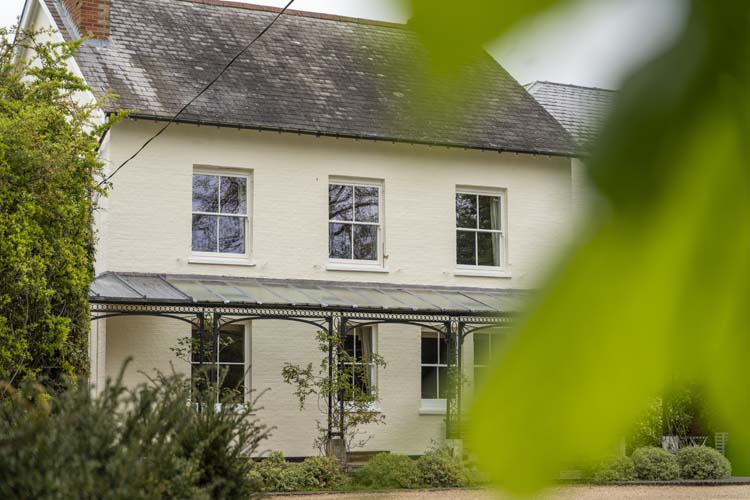
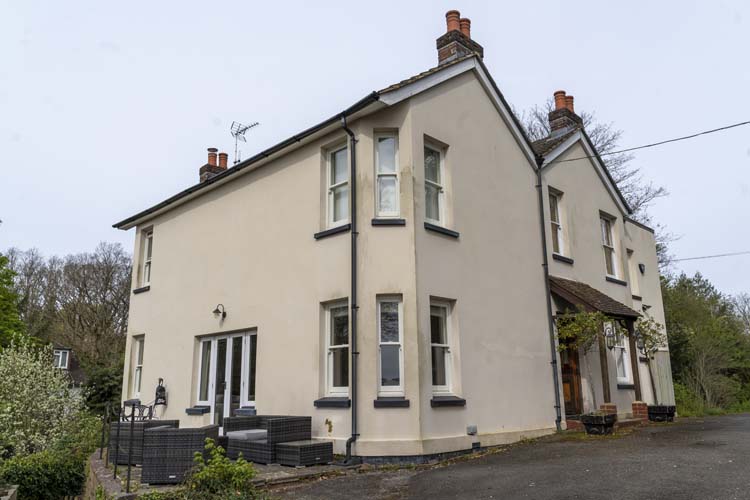
Many character properties still retain their original timber sash windows, traditional casements, or decorative leaded windows.
While these features add charm and historical value, older single-glazed windows rarely provide modern levels of insulation against sound or temperature changes.
Replacing them with modern double glazing is often undesirable, particularly in conservation areas or listed buildings where planning restrictions apply.
Because the original windows remain untouched, the external appearance of the property stays the same. Internally, the discreet secondary glazing system blends into the existing décor while providing significant improvements in comfort.
For homeowners wishing to preserve architectural heritage without sacrificing modern living standards, secondary glazing is often the preferred solution.
Although many people install secondary glazing primarily for noise reduction, improved insulation is another major benefit.
Older single-glazed windows allow substantial heat loss, particularly during colder months.
The additional glazed layer creates an insulating barrier that helps trap warm air inside the property while reducing cold draughts entering from outside.
This improved thermal performance can help:
For many homeowners, these energy-saving benefits make secondary glazing an even more attractive investment.
Choosing between secondary glazing and replacement double glazing depends on your property’s needs.
Double glazing replaces the entire window unit and offers excellent thermal efficiency. However, it may not always be suitable for heritage properties, and replacing original windows can be expensive.
Secondary glazing retains your existing windows while adding an internal barrier.
Its key advantages include:
In some cases, the larger cavity created by secondary glazing can actually deliver superior sound reduction compared to standard double-glazed units.
One of the biggest reasons homeowners choose secondary glazing is that it is a highly cost-effective solution.
Since the original windows remain in place, installation is generally less disruptive than complete window replacement.
The overall secondary glazing cost depends on several factors, including:
Although every project differs, secondary glazing often provides excellent long-term value by improving comfort, reducing heating costs, and extending the lifespan of existing windows.
When compared with the expense of replacing traditional timber windows throughout an entire property, many homeowners find secondary glazing represents outstanding value for money.
Even the highest quality glazing system will underperform if it is not fitted correctly.
Every window opening should be carefully measured to ensure a precise fit, particularly in older homes where walls and frames may no longer be perfectly square.
Professional installation helps achieve:
Because sound naturally finds the weakest point in any building, attention to detail during installation is essential.
Most homeowners notice the difference immediately.
External traffic becomes less intrusive. Aircraft noise is softened. Conversations outdoors become less noticeable, creating a calmer and more relaxing living environment.
Alongside improved acoustics, many people also enjoy:
These combined benefits make secondary glazing one of the most practical upgrades for both traditional and modern homes.
Understanding how secondary glazing reduces noise helps homeowners make informed decisions about improving their property. By adding a carefully designed internal glazing system, unwanted sound is significantly reduced without replacing existing windows or compromising the character of the home.
Whether your property features historic single-glazed windows, sits on a busy road, or simply needs greater comfort throughout the year, secondary glazing offers a discreet, attractive, and cost-effective solution.
With professional installation, the right glass specification, and a bespoke window frame design, secondary glazing can deliver impressive noise reduction while also lowering heat loss, improving energy efficiency, and offering exceptional long-term value. When considering the overall secondary glazing cost, many homeowners find the improvements in comfort, peace, and everyday living make it a worthwhile investment.
Achieving the best acoustic performance depends on more than simply choosing high-quality glazing; it also requires expert design, precise measuring, and careful installation. At Thames Valley Windows, every secondary glazing system is made to measure, ensuring a perfect fit for your property’s existing windows.
Older homes often have uneven walls, traditional timber frames, and unique architectural features that require a bespoke approach. The experienced team at Thames Valley Windows carefully surveys every opening to ensure the secondary glazing fits seamlessly, creating the airtight seal needed for maximum noise reduction while maintaining the character of your home.
Whether you’re looking to reduce noise, improve thermal efficiency, or preserve original single-glazed windows in a listed building, Thames Valley Windows provides tailored solutions that combine exceptional craftsmanship with long-lasting performance. From your initial consultation through to installation, every project is completed with attention to detail, helping homeowners enjoy quieter, warmer, and more comfortable living spaces.
Read our previous post - « Bespoke uPVC vs Aluminium Windows | Which Is Best?
We can provide you with full colour 3D visualisations, allowing you to explore options that you may not have considered, with complete peace of mind.
Our showroom consists of:
Thames Valley Window Company
Head Office & Showroom
44 Longshot Lane
Bracknell
Berkshire RG12 1RL
United Kingdom
Designed so you can view most of our product range, our show room will help you understand what options will work best for you and your home.

Making plans to improve your home is exciting. If you would like to download any of our product brochures, please visit our brochure download page.