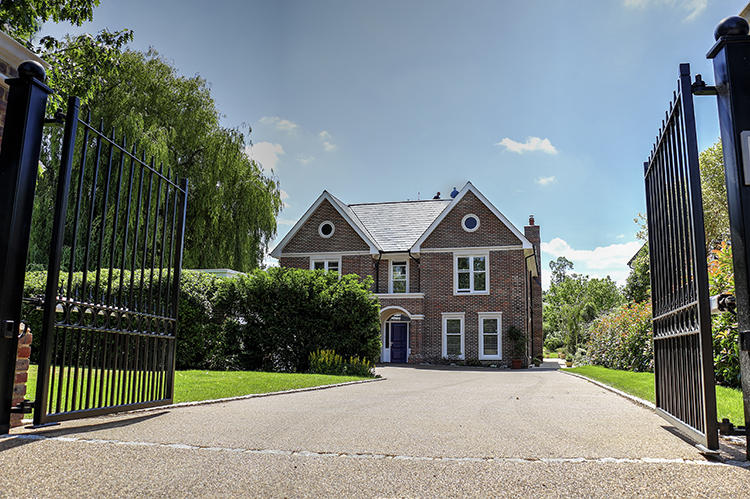
Choosing new windows is one of the most important investments you can make for your home. Whether you’re replacing ageing frames, renovating a period property or designing a contemporary extension, the material you choose will influence your home’s appearance, comfort, security and long-term value.
For many homeowners, the decision comes down to bespoke uPVC or aluminium. Both materials offer excellent durability, modern security features and impressive energy efficiency, but each brings its own advantages depending on your property’s style, your budget and your performance expectations.
Modern bespoke uPVC windows have evolved significantly over the last decade. They now offer stylish finishes, outstanding thermal performance, and an extensive choice of styles, colours and configurations to complement almost any home. Aluminium remains the premium choice for homeowners seeking ultra-slim sightlines and a contemporary architectural finish.
This guide compares the two options in detail to help you decide which material is the best solution for your project.
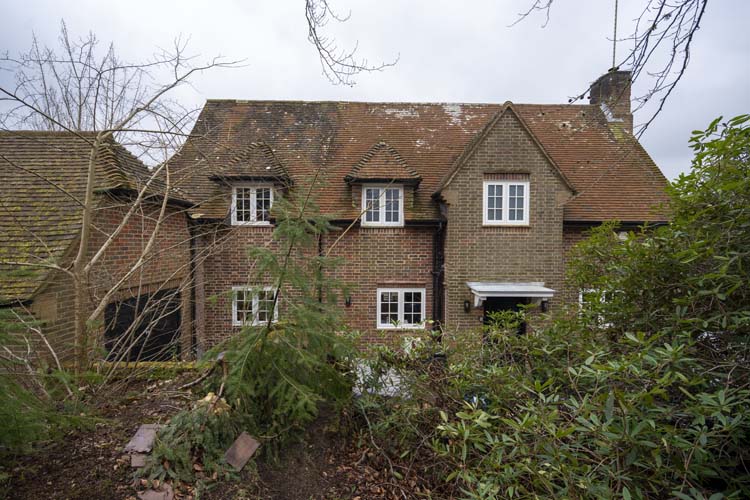
Windows do far more than provide natural light. They help regulate indoor temperatures, improve security, reduce outside noise and define the overall appearance of your property.
Whether you’re replacing a single window or upgrading all your windows and doors, choosing the right frame material can significantly improve:
The ideal solution isn’t simply the cheapest option—it’s the one that best complements your home’s design while delivering years of reliable performance.
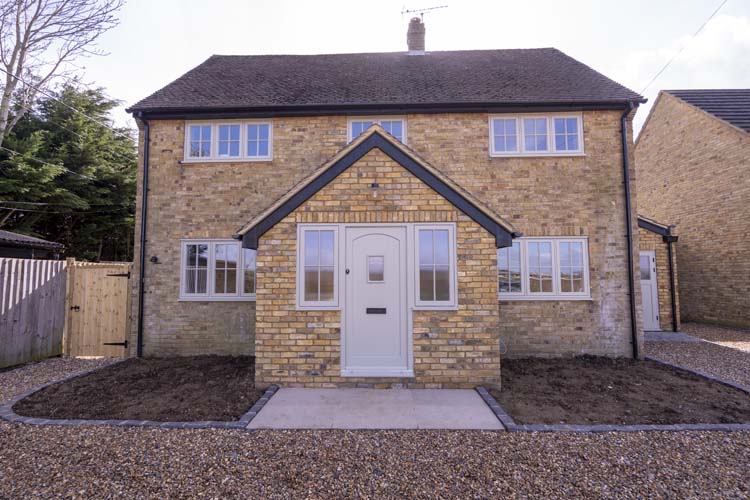
Bespoke uPVC windows are made to measure for your property, ensuring a precise fit and a finish that complements your home’s architecture.
Unlike standard off-the-shelf products, bespoke windows are manufactured to your exact dimensions and specifications. This allows homeowners to choose from a wide range of finishes, opening configurations and glazing options while ensuring every window fits perfectly.
Today’s bespoke uPVC systems are available in numerous finishes including classic white, woodgrain foils, black, anthracite grey and bespoke colour combinations that replicate the appearance of painted timber without the ongoing maintenance.
Combined with modern manufacturing techniques, bespoke uPVC delivers exceptional value while providing excellent insulation and long-lasting performance.
At first glance, both materials appear remarkably similar. They can both achieve excellent energy ratings, provide impressive security and require very little maintenance.
The differences become clearer when you look at how each material performs over time.
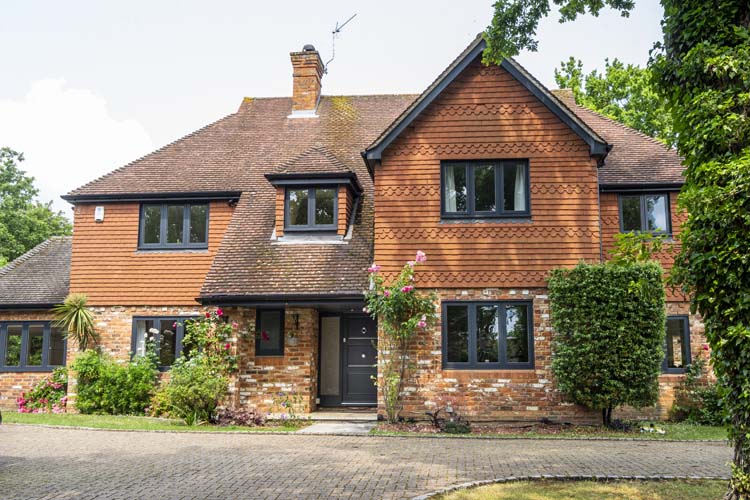
Bespoke uPVC is naturally insulating, making it one of the most thermally efficient window materials available. It offers excellent value for money and suits both modern and traditional homes.
Benefits include:
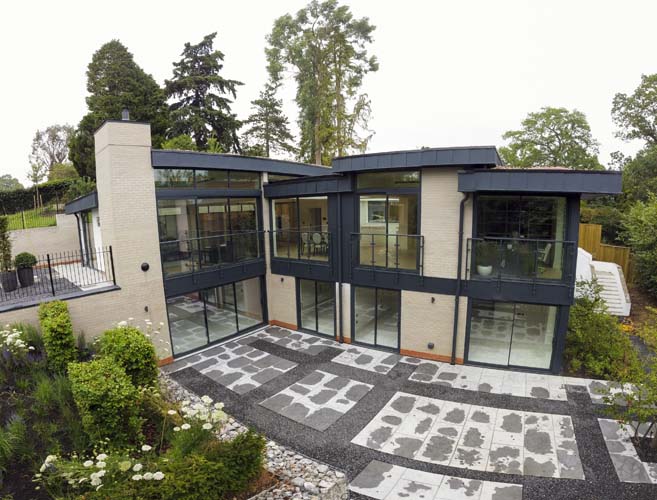
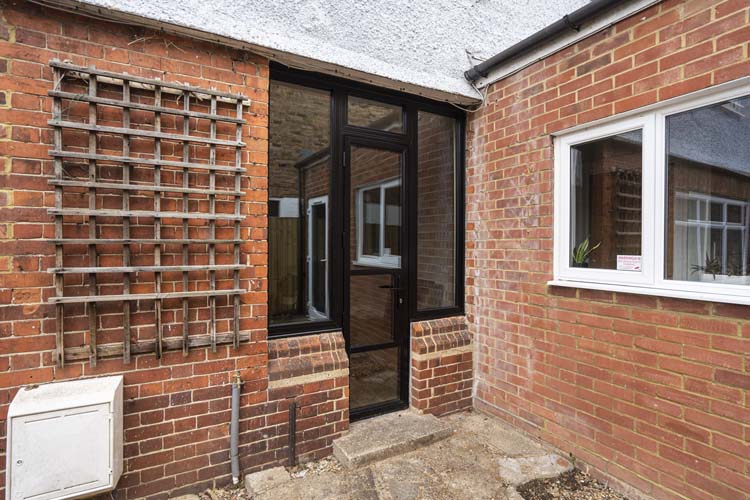
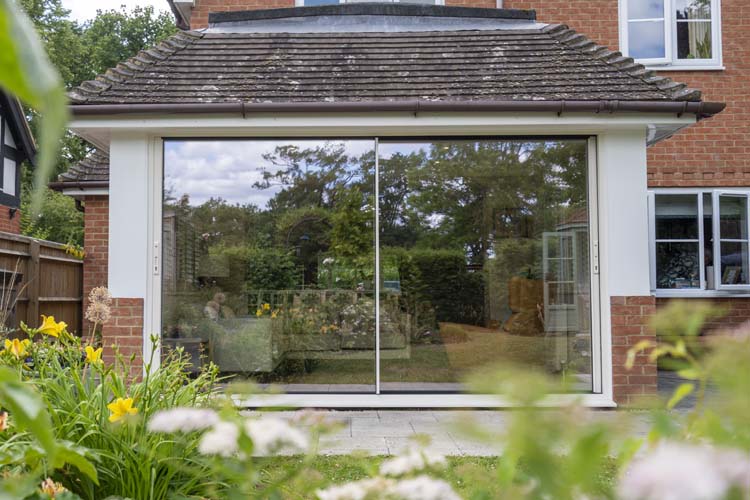
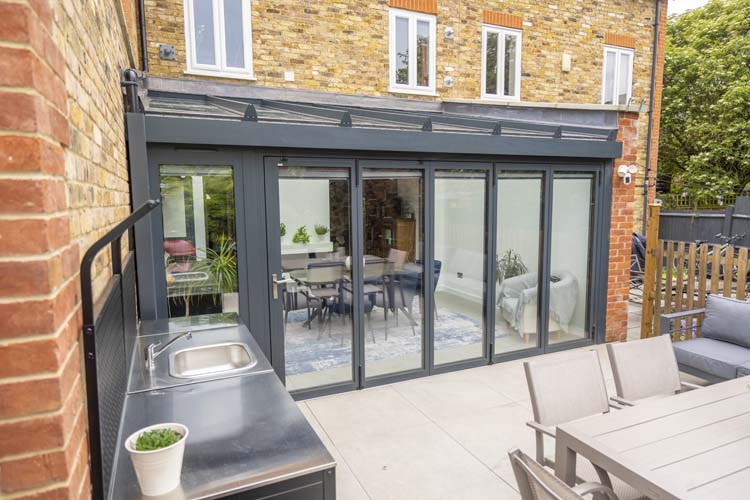
Aluminium offers exceptional strength while allowing much slimmer window frames.
Its structural rigidity means larger panes of glass can be installed without compromising stability, making it particularly popular for modern homes and contemporary extensions.
Advantages include:
Ultimately, neither material is universally better—the best choice depends on your property’s requirements.
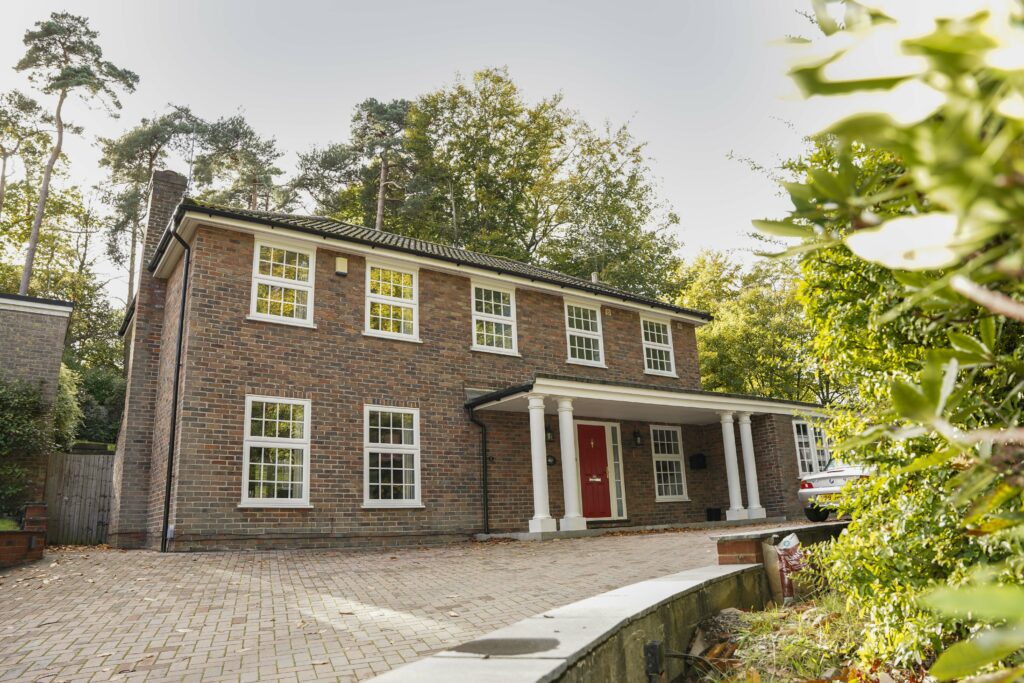
One of the biggest advantages of bespoke uPVC is the variety of window styles available.
Whether you’re updating a Victorian terrace or building a modern family home, there is a solution designed to complement your property.
Popular options include:
Casement windows remain the UK’s most popular style because they combine practicality with excellent thermal efficiency.
Available in numerous configurations, they offer:
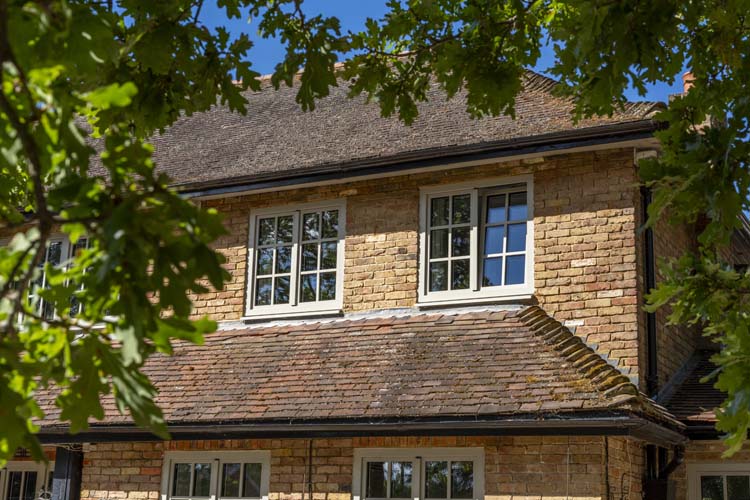
Flush casement designs are especially popular for homeowners wanting a more traditional aesthetic.
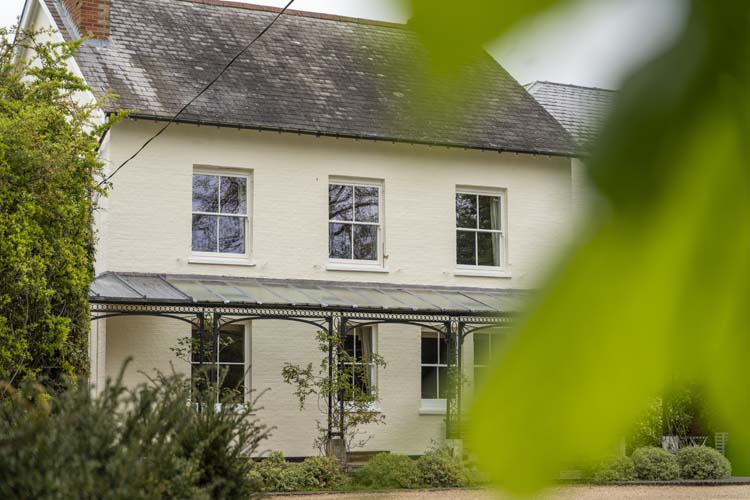
Modern sash windows combine period charm with contemporary performance.
Unlike traditional timber frames, modern uPVC sash windows offer smooth operation, excellent insulation and minimal maintenance while preserving the original character of older properties.
Sliding sash windows are ideal for heritage homes where maintaining authentic styling is important.
Today’s uPVC sliding sash systems closely replicate original timber windows while incorporating modern locking systems, improved weather seals and energy-efficient glazing.
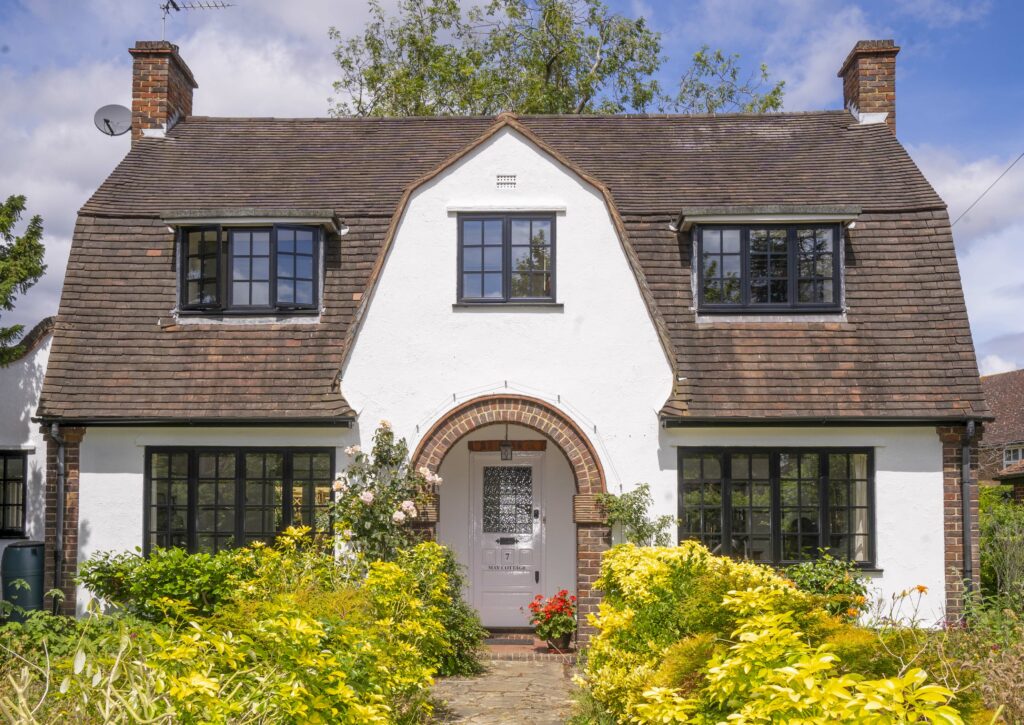
Years ago, uPVC was often associated with bulky white frames and limited design choices.
That has completely changed.
Today’s bespoke uPVC systems are available in an extensive selection of styles colours designed to complement virtually any property.
Popular finishes include:
This flexibility allows homeowners to match existing brickwork, render, stone or timber cladding while achieving a premium appearance without the maintenance associated with painted wood.
Aluminium also offers a wide selection of powder-coated colours, although bespoke uPVC has closed the gap significantly in terms of aesthetic appeal.
For many homeowners, improving energy efficiency is one of the main reasons for replacing old windows.
Older glazing allows significant heat loss, making your heating system work harder throughout the colder months.
Modern bespoke uPVC helps solve this problem thanks to its naturally insulating properties.
Unlike aluminium, uPVC does not conduct heat easily, making it exceptionally effective at retaining warmth inside your home.
When combined with high-performance glazing, bespoke uPVC can dramatically reduce heat escaping through your windows.
Benefits include:
The result is a home that feels warmer during winter and more comfortable throughout the year.
The glazing you choose plays an equally important role in overall window performance.
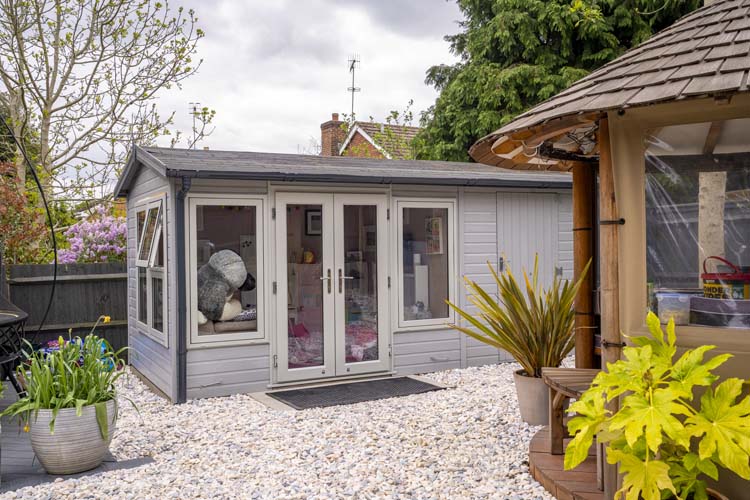
Most modern replacement windows are supplied double-glazed, providing an excellent balance between cost, insulation and noise reduction.
Double glazing consists of two panes of glass separated by an insulating cavity filled with argon gas, helping minimise heat transfer.
For most UK homes, double glazing offers outstanding value.
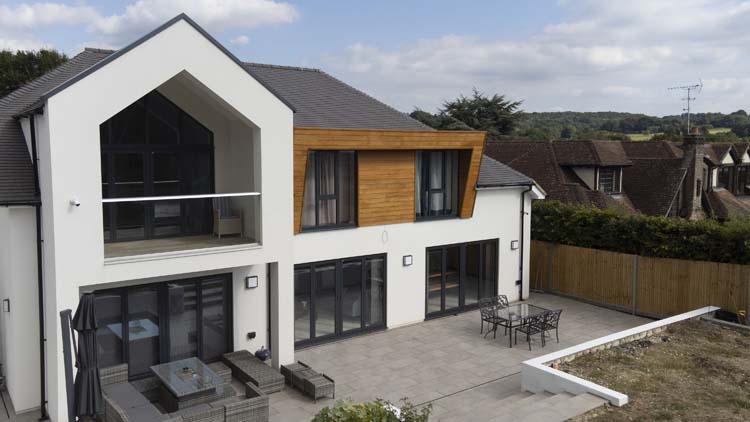
For homeowners looking for maximum insulation, triple-glazed windows provide even greater thermal efficiency.
Adding a third pane of glass further reduces heat loss while improving acoustic performance, making triple glazing ideal for properties located near busy roads or exposed areas.
Although triple glazing carries a higher initial investment, it can provide additional comfort and long-term energy savings, particularly in highly insulated homes.
For many homeowners, the cost of uPVC windows is one of the biggest factors when comparing window materials. While aluminium often attracts attention for its sleek appearance, bespoke uPVC continues to offer outstanding value without compromising on performance.
Although prices vary depending on the size of the property, glazing specification and chosen finish, bespoke uPVC windows are generally more affordable than aluminium. This can make a significant difference when replacing every window in a house or completing a large renovation project.
However, value should never be judged on price alone.
A high-quality bespoke uPVC system combines excellent thermal performance, durability and low maintenance, helping reduce heating bills while providing decades of reliable service. When viewed over the lifetime of the windows, the overall return on investment is often excellent.
Instead of asking which material is cheapest, homeowners should consider which option offers the best balance between performance, appearance and long-term savings.
Both aluminium and bespoke uPVC are designed to provide many years of dependable performance with minimal maintenance.
Unlike traditional timber windows, neither material requires regular sanding, painting or staining.
One of the biggest attractions of bespoke uPVC is its simplicity.
Routine maintenance usually involves little more than:
Because uPVC doesn’t rot, rust or absorb moisture, it remains attractive with very little effort.
Modern manufacturing techniques also ensure colour stability, meaning quality frames retain their appearance for many years.
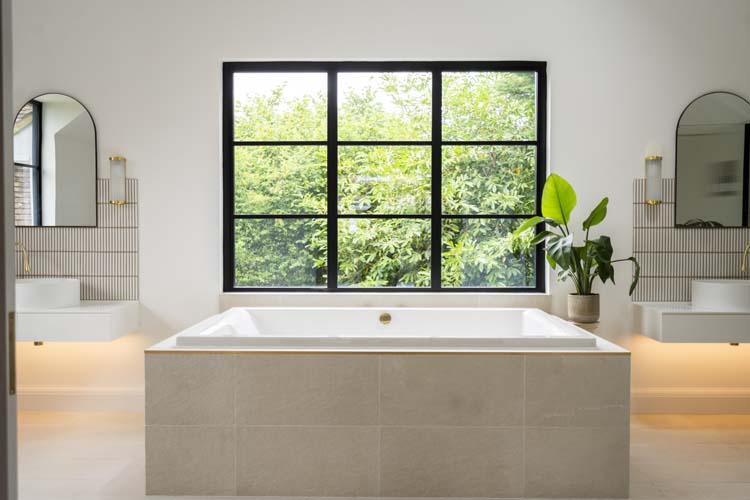
Aluminium also requires very little maintenance.
Powder-coated finishes are highly durable and resistant to corrosion, making them ideal for exposed coastal locations or properties subjected to harsh weather.
Although aluminium offers exceptional structural strength, most homeowners will notice very little difference in day-to-day maintenance requirements between the two materials.
Home security is naturally a priority when investing in replacement windows.
Fortunately, modern bespoke uPVC and aluminium systems both provide excellent protection when manufactured and installed to high standards.
Today’s premium windows incorporate advanced locking systems that secure the sash at multiple points around the frame.
These systems are designed to resist forced entry while maintaining smooth everyday operation.
Additional security features often include:
Professional installation is equally important. Even the highest-quality window can underperform if it is poorly fitted.
Choosing an experienced installer ensures your windows deliver lasting peace of mind, combining security with reliable weather protection and excellent energy performance.
One of the greatest benefits of replacing older windows is improving your home’s thermal efficiency.
Older single-glazed or poorly insulated windows allow significant heat loss, forcing your central heating system to work harder throughout the winter months.
Modern bespoke uPVC windows are engineered with multi-chambered frames that trap pockets of insulating air inside the profile.
When combined with high-performance double-glazed or triple-glazed units, these systems significantly improve overall insulation.
The benefits include:
For homeowners looking to reduce energy consumption, bespoke uPVC remains one of the most effective window solutions available.
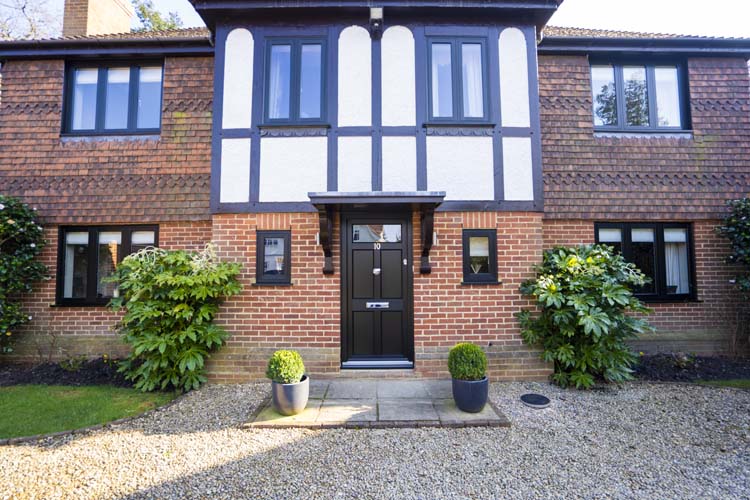
There is no universal winner in the debate between bespoke uPVC and aluminium because every property has different requirements.
The best choice depends on your home’s architecture, your budget and your long-term goals.
Bespoke uPVC Is Ideal For:
Thanks to the huge selection of window styles, bespoke uPVC can suit almost every architectural style.
Whether you choose casement windows, traditional sash windows or authentic sliding sash designs, there are options to complement virtually any home.
Aluminium Is Better Suited To:
Its slimmer frames allow more glass and cleaner sightlines, making aluminium particularly popular where maximising natural light is a priority.
If you’re still unsure which material is right for your home, asking yourself a few simple questions can make the decision much easier.
If keeping costs under control while achieving excellent insulation and security is important, bespoke uPVC is usually the stronger choice.
Bespoke uPVC offers an impressive range of heritage-inspired designs, including flush casement and sliding sash windows that beautifully replicate classic timber frames.
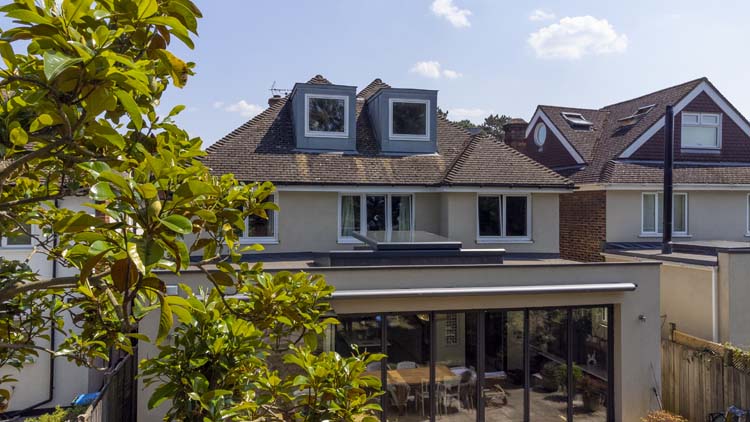
For minimalist architecture and expansive glazing, aluminium’s slim sightlines can create a striking contemporary finish.
Both materials perform well, but bespoke uPVC naturally offers exceptional insulation, making it particularly attractive for homeowners focused on improving energy efficiency.
Yes. Bespoke uPVC windows provide excellent energy efficiency, strong security, low maintenance and outstanding value for money. Their made-to-measure design ensures a perfect fit and long-lasting performance.
Modern aluminium systems perform very well thanks to thermal break technology. However, bespoke uPVC remains one of the most naturally insulating window materials available and often delivers outstanding thermal performance.
Absolutely. Modern woodgrain finishes closely replicate painted or stained timber while eliminating the maintenance associated with traditional wooden windows.
Quality bespoke uPVC windows professionally installed can provide reliable performance for 30 years or more with routine maintenance.
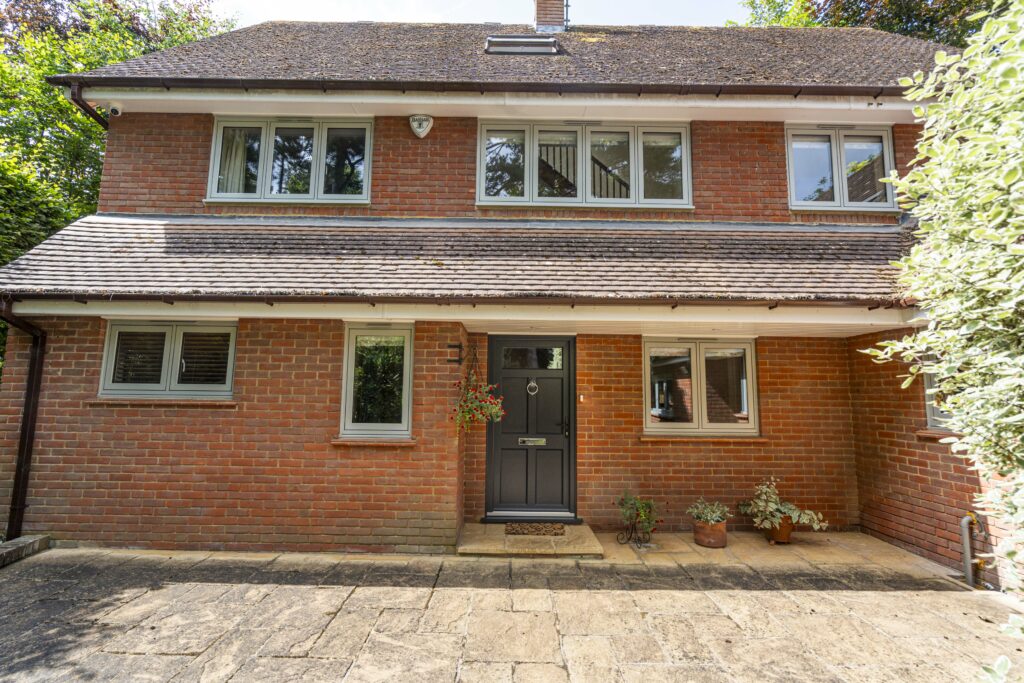
When comparing Bespoke uPVC vs Aluminium Windows, there is no one-size-fits-all answer.
Both materials deliver impressive durability, security and energy performance, but the right choice depends on your property’s style, your budget and the finish you want to achieve.
For many homeowners, bespoke uPVC windows offer the perfect balance of affordability, excellent thermal performance, low maintenance and an extensive choice of window styles. Available in a wide range of styles and colours, including heritage-inspired casement windows, sash windows and sliding sash designs, they complement both traditional and contemporary homes while helping to reduce heat, improve thermal efficiency and minimise heat loss.
Aluminium remains an excellent premium option for projects requiring ultra-slim frames and expansive glazing. Still, bespoke uPVC continues to be the preferred choice for homeowners seeking long-term value, reliable performance and exceptional comfort.
If you’re planning to upgrade your windows and doors, the team at Thames Valley Windows can help you find the perfect solution for your home. With expert advice, a wide choice of styles, glazing options and bespoke finishes, you can confidently select windows that complement your property while improving energy efficiency, enhancing kerb appeal and providing lasting peace of mind for years to come.
Read our previous post - « Are Bespoke Timber Windows Worth It? A Complete Homeowner’s Guide
We can provide you with full colour 3D visualisations, allowing you to explore options that you may not have considered, with complete peace of mind.
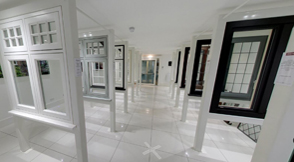
Our showroom consists of:
Thames Valley Window Company
Head Office & Showroom
44 Longshot Lane
Bracknell
Berkshire RG12 1RL
United Kingdom
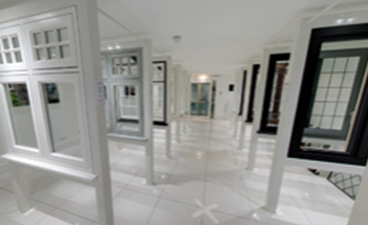
Designed so you can view most of our product range, our show room will help you understand what options will work best for you and your home.

Making plans to improve your home is exciting. If you would like to download any of our product brochures, please visit our brochure download page.