In 2027, future glazing will be less about following a single design trend and more about creating comfortable, energy-efficient homes tailored to how people live. Homeowners are increasingly looking beyond conventional double and triple glazing towards intelligent glass, advanced coatings and slim, high-performance systems that improve warmth, privacy, security and natural light.
A south-facing kitchen extension may feel beautifully bright in the morning but become uncomfortably warm later in the day. Similarly, a period property may need better insulation and noise reduction without losing the character of its original windows. Future glazing technologies can address these practical challenges while respecting the architecture of the home.
The next generation of glazing is not based on one revolutionary product. Instead, it combines carefully selected glass, frames, coatings, seals and hardware to deliver better overall performance.
Advanced coatings can allow useful natural light into a room while reducing unwanted heat from the sun. Improvements in insulating glass units and frame design also make it possible to create larger glazed areas without compromising comfort or energy efficiency.
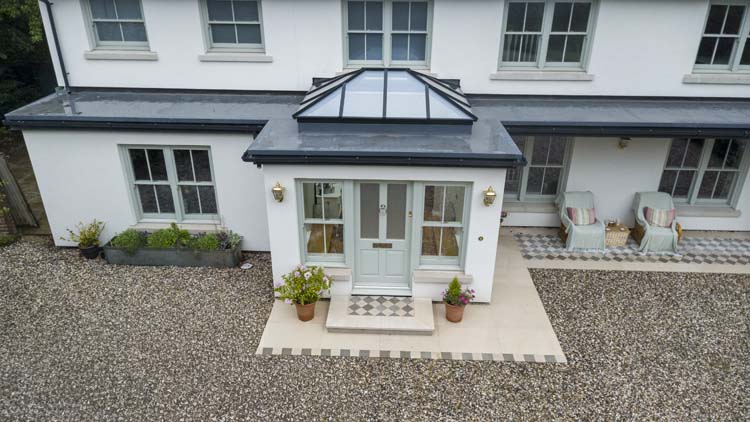
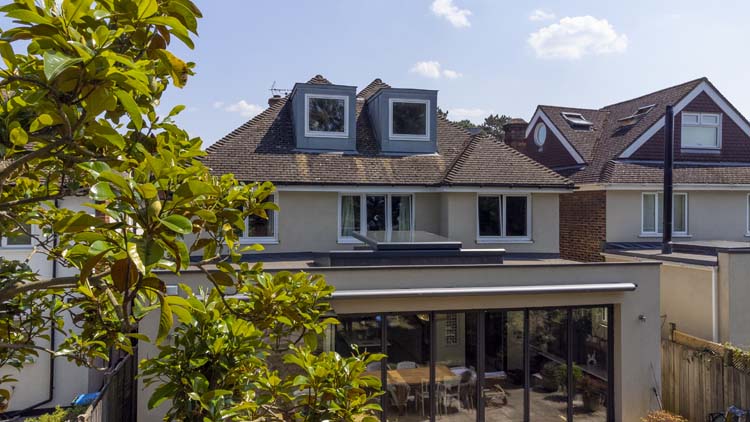
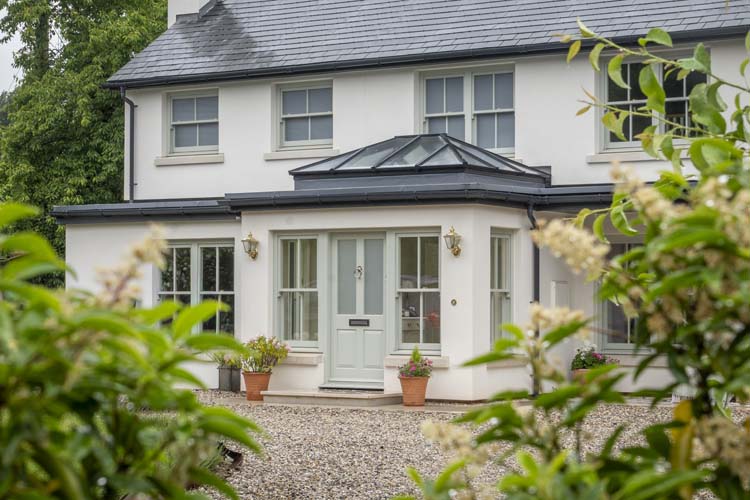
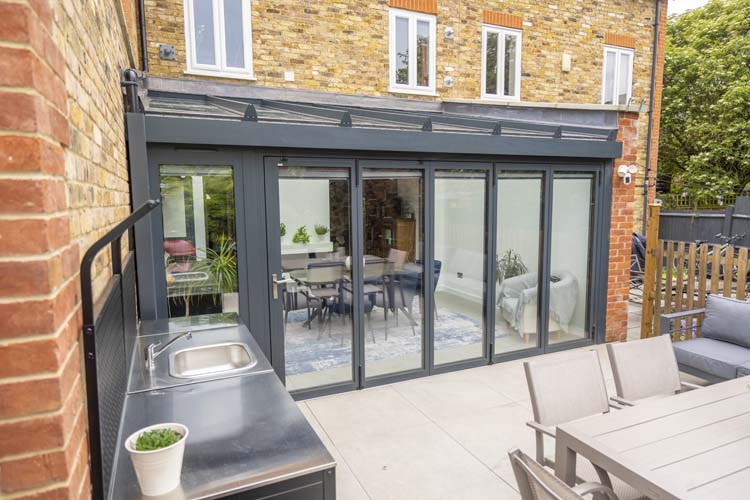
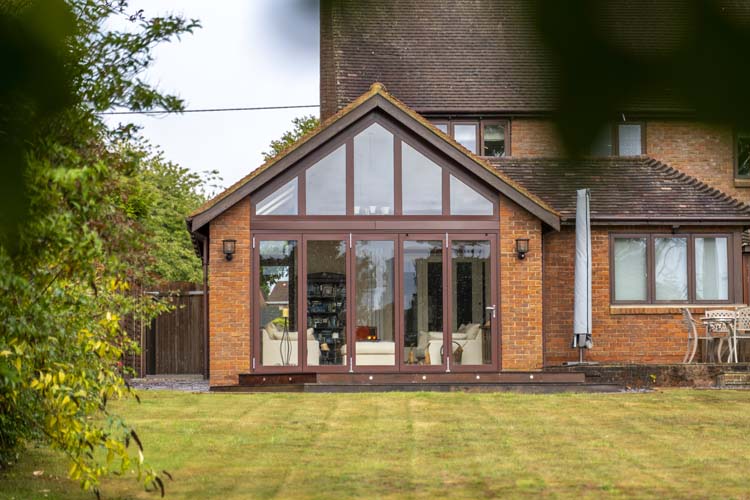
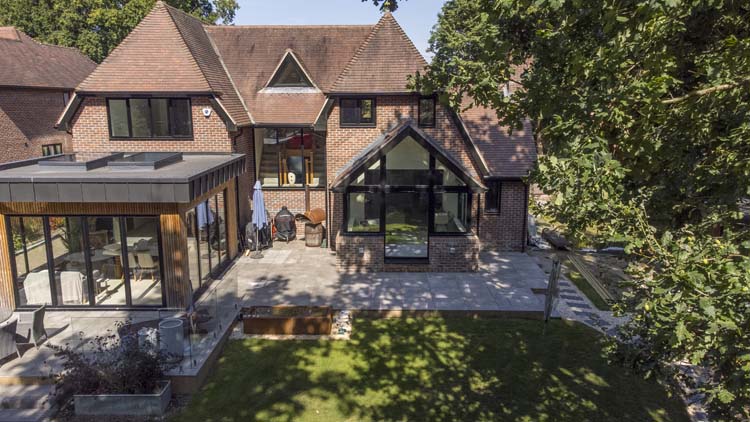
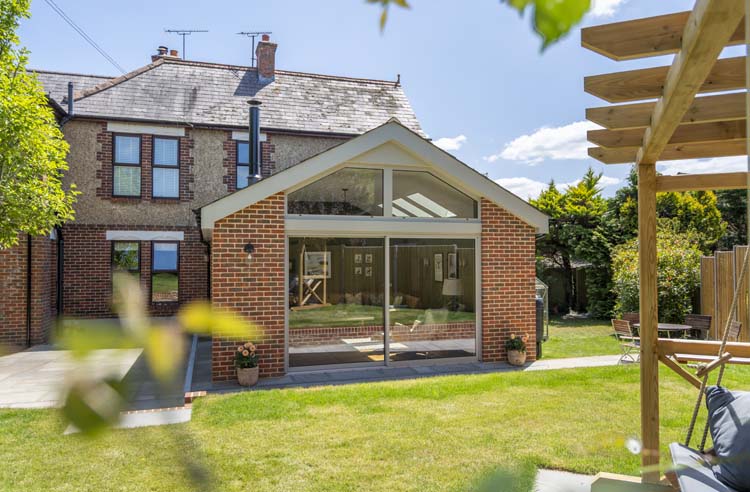
This is particularly valuable for homeowners planning bifold doors, sliding doors, roof lanterns or glazed extensions. These products can transform a property, but their size and orientation must be considered carefully to prevent excessive heat, glare or loss of privacy.
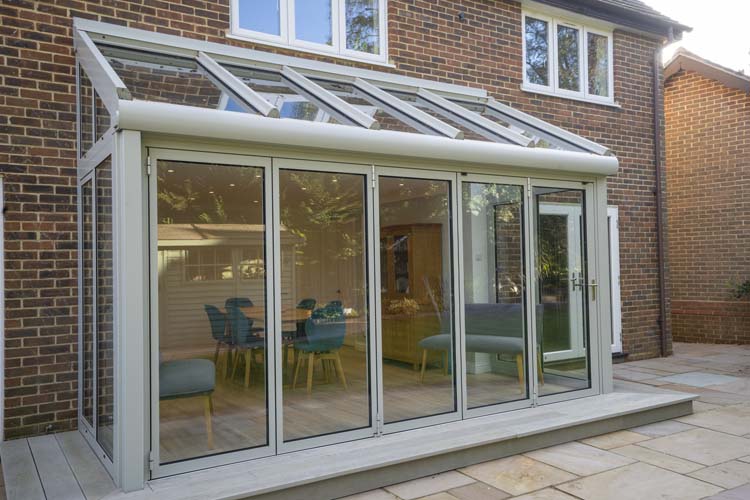
Solar control glass is expected to become increasingly important in modern home design. Conventional clear glass allows a significant amount of solar energy to enter a property, which can cause south- and west-facing rooms to overheat.
Specialist coatings can reduce this heat gain while maintaining good levels of light transmission. This makes solar-control glazing particularly suitable for roof lanterns, atriums, rooflights and large sliding doors.
Different glass products have different transmission properties, so there is no single specification suitable for every home. A stronger coating may reduce glare and heat more effectively, but it can also slightly reduce daylight or alter the external appearance of the glass. The right balance will depend on the room’s orientation, nearby buildings and surrounding trees.
Switchable glass can change its appearance or performance when electronically activated. Electrochromic glass, for example, can gradually darken in response to sunlight, a control system or the homeowner’s preference.
This type of smart glass technology can help control glare and solar heat without requiring permanent blinds or curtains. It can be especially effective in contemporary extensions, feature windows, rooflights and large glazed elevations where clean architectural lines are important.
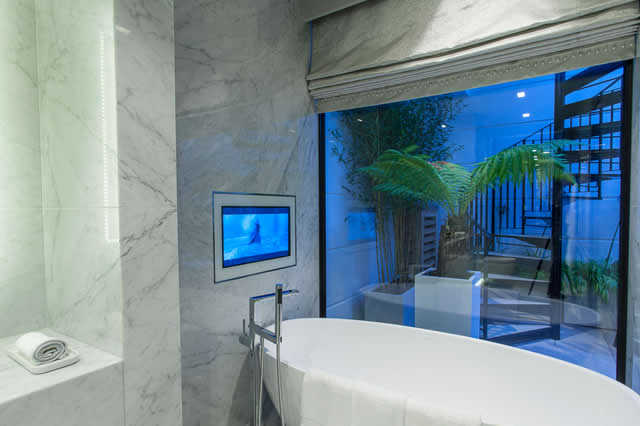
Privacy glass that changes from clear to opaque is another increasingly familiar option. It can provide a streamlined solution for bathrooms, dressing rooms and internal glazed partitions. However, electrical supplies, controls and maintenance access should be planned at an early stage.
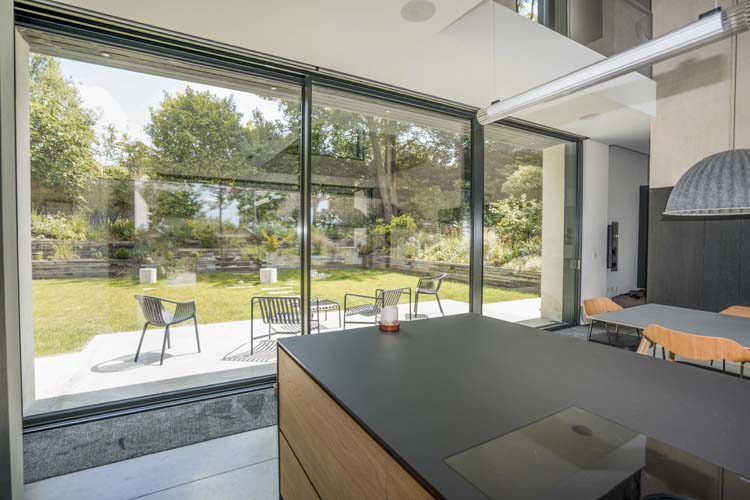
Thermal performance remains central to glazing innovation. Low-emissivity coatings reflect warmth into the home, while warm-edge spacer bars and gas-filled units help reduce heat transfer through the window.
Triple glazing can provide excellent insulation and acoustic performance, but it is not automatically the best choice for every property. The units are heavier and may require more substantial frames. In some rooms, carefully specified double glazing may offer the best balance of insulation, daylight and passive solar warmth.
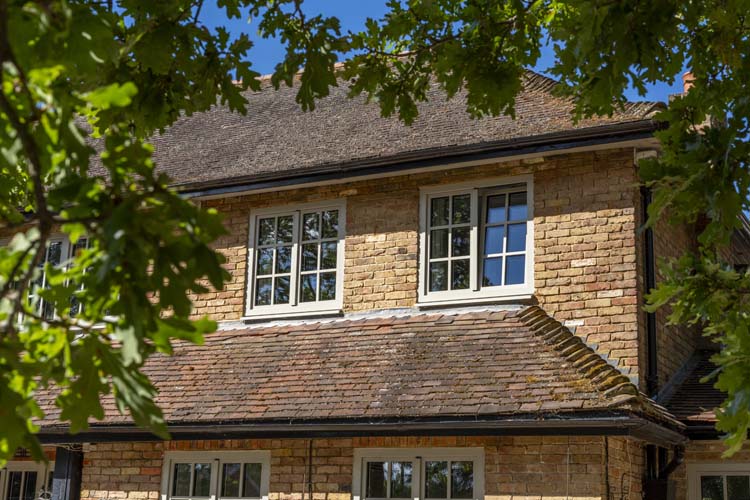
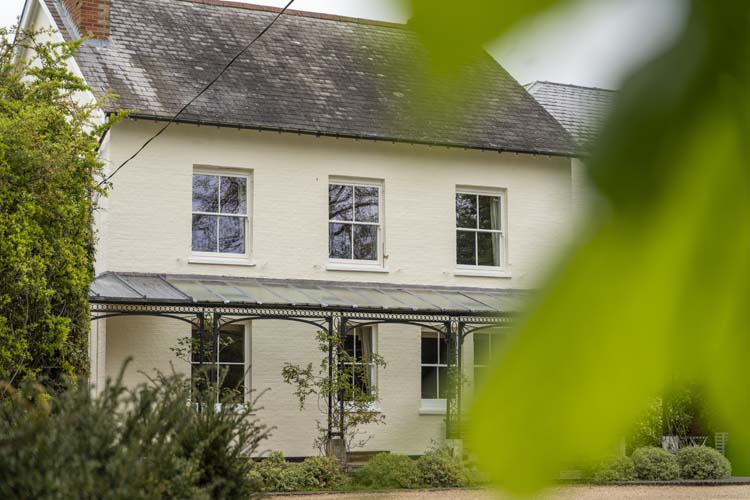
Vacuum-insulated glass is another development to watch. It uses a very narrow vacuum between the panes to achieve strong insulation within a slim unit. This could make it particularly useful for traditional and heritage properties where retaining narrow frames and authentic sightlines is important.
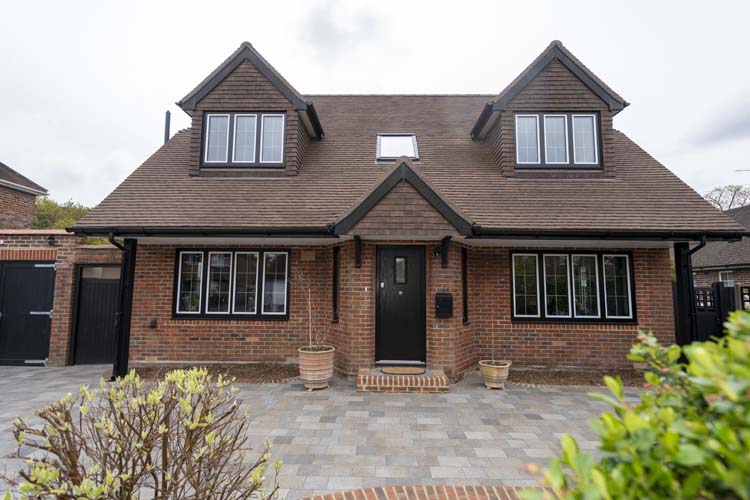
Future glazing is also expected to improve acoustic comfort. Laminated acoustic glass and units containing panes of different thicknesses can help reduce particular types of external noise.
Traffic, aircraft and voices create different sound frequencies, so an effective solution should be tailored to the source of the disturbance. Seals, frames and ventilation openings must also be considered because glazing alone cannot overcome weak points elsewhere in the installation.
For security, laminated glass can make forced entry more difficult by holding together when broken. However, it should always work alongside secure frames, hinges, multi-point locks and professional installation.
Building-integrated photovoltaic glass incorporates solar cells within the glazing, allowing certain rooflights, canopies and glazed façades to generate electricity while continuing to admit daylight.
Although this technology offers exciting energy-saving potential, it will not replace conventional solar panels in every home. Orientation, shading, cost, appearance and likely electricity generation must all be assessed before deciding whether it is suitable.
Heated glass is another specialist option. An electrically conductive coating gently warms the inner pane, helping to reduce condensation and provide radiant warmth beside large areas of glazing.
The most technologically advanced product is not always the most appropriate. Future-ready glazing should suit the property, its orientation and the way each room is used.
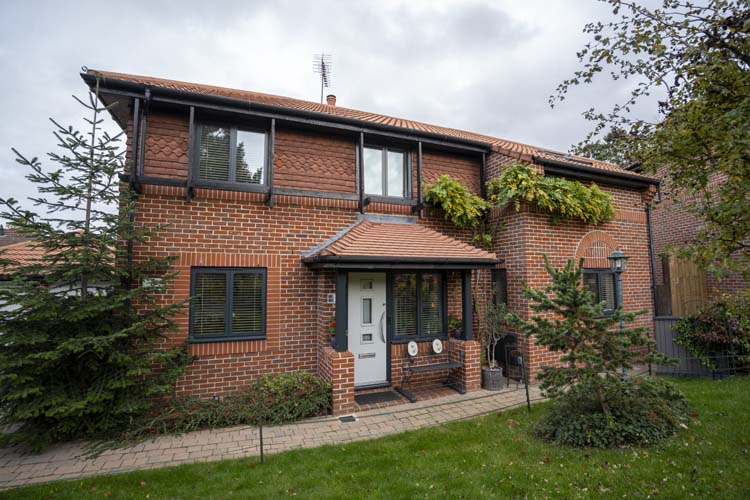
Consider thermal performance, solar gain, ventilation, security, noise reduction and light transmission alongside appearance. A west-facing sliding door may benefit from solar-control glass, while a traditional sash window may prioritise slim profiles, heritage detailing and improved insulation.
At Thames Valley Windows, every glazing specification begins with the home itself—its architecture, available light and the needs of the people living there. By combining innovative products with experienced design and professional installation, future glazing can make your home warmer, quieter, safer and more enjoyable for years to come.
Choosing the right glazing company is just as important as selecting the right windows and doors. Thames Valley Windows has helped homeowners improve their properties since 1984, combining expert advice with professional installation and dedicated aftercare. Read our independent Trustpilot customer reviews to discover what customers say about their experience with our team.
Read our previous post - « Insulated Conservatory Roof: Create a Room for Every Season
We can provide you with full colour 3D visualisations, allowing you to explore options that you may not have considered, with complete peace of mind.
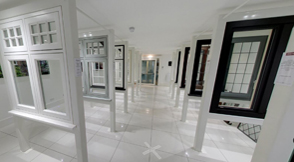
Our showroom consists of:
Thames Valley Window Company
Head Office & Showroom
44 Longshot Lane
Bracknell
Berkshire RG12 1RL
United Kingdom
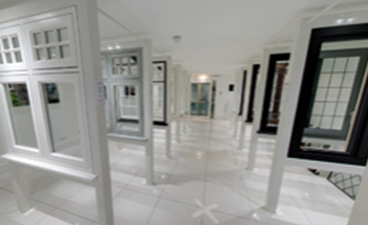
Designed so you can view most of our product range, our show room will help you understand what options will work best for you and your home.

Making plans to improve your home is exciting. If you would like to download any of our product brochures, please visit our brochure download page.