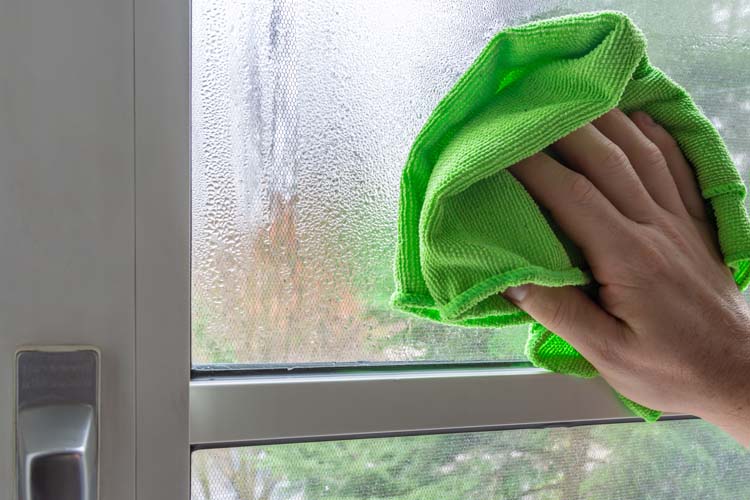
As the seasons begin to change and September brings cooler mornings, many homeowners start to notice condensation on windows. A clear pane of glass can suddenly become covered in moisture, particularly overnight or early in the morning.
Although it can be tempting to blame the windows, condensation is usually caused by a combination of indoor humidity, colder outdoor temperatures and ventilation. Understanding where condensation is forming will help you identify the cause and find the right solution.
Condensation forms when warm, moisture-filled air comes into contact with a cold surface. As the air cools, it can no longer hold the same amount of water vapour, causing droplets to form.
Windows are often the first place condensation becomes visible because glass is generally colder than insulated walls. Everyday activities such as cooking, showering, boiling the kettle, drying washing indoors and even breathing all increase moisture levels within the home.
The location of the condensation is important. Moisture on the inside, outside or between the panes of glazed windows can indicate three very different things.
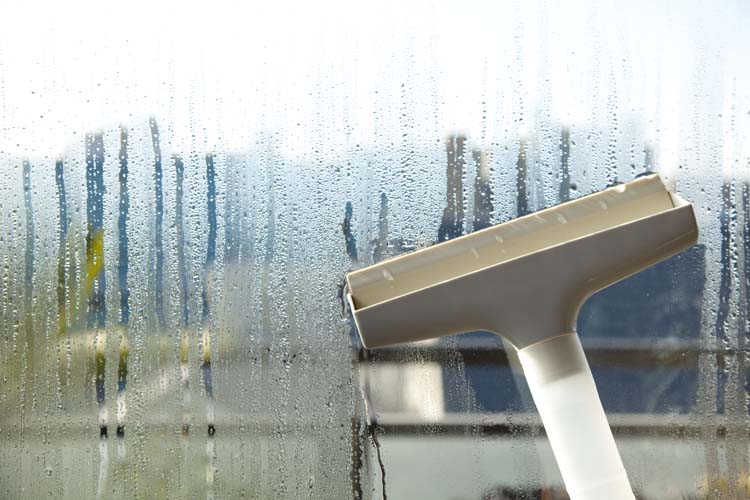
Internal condensation usually indicates that there is too much moisture in the room or insufficient ventilation.
It is particularly common during autumn and winter because we heat our homes while keeping doors and windows closed. Moisture can quickly build up in kitchens, bathrooms and bedrooms before settling on the coldest pane of glass.
Simple ways to reduce internal condensation include:

Single glazing and older double glazing often have colder internal glass surfaces, making condensation forming inside the home more likely.
Modern energy-efficient double glazing helps keep the internal pane warmer, reducing the likelihood of moisture reaching its dew point. Triple glazing can provide an even warmer internal surface where it is suitable for the property.
For period or listed homes, secondary glazing may improve thermal performance while retaining original timber windows. The right option will depend on the property, its location and any planning or conservation requirements.
New windows can make a home more airtight, so ventilation remains important. If moisture previously escaped through gaps and draughts, it must instead be managed through trickle vents, extractor fans or another suitable ventilation system.
Condensation between the panes of double glazing is usually a sign that the sealed glass unit has failed. Moist air has entered the cavity and created misting or droplets that cannot be wiped away.
Improving ventilation will not resolve this problem. The affected sealed unit will normally need replacing, although this does not always mean replacing the entire window frame. A professional inspection can confirm whether only the glass unit needs attention.
External condensation can actually indicate that energy-efficient glazing is performing well.
High-performance double or triple glazing keeps heat inside the property, allowing the outer pane to remain cold. On cool, still mornings, moisture in the outside air can settle on the external glass. It will usually disappear naturally as the temperature rises.
This does not normally suggest a fault with the window.
Occasional condensation on windows during a particularly cold morning may be manageable. However, persistent water running onto window boards or surrounding walls should not be ignored.
Over time, excess moisture can damage paintwork, plaster and timber frames while encouraging mould growth. Regular condensation may indicate high humidity, inadequate ventilation, cold bridging or another property-related issue.
If your windows feel draughty, remain very cold, show misting between the panes or have deteriorating frames, replacement glazing may be worth considering.
Download the GGF Condensation Guide
At Thames Valley Windows, we assess the property, glazing performance and ventilation requirements before recommending a solution. Correctly specified windows can reduce draughts, improve energy efficiency and create a warmer, more comfortable home throughout the changing seasons.
Read our previous post - « Bifold Door Security: How to Keep Your Home Safe and Protected
We can provide you with full colour 3D visualisations, allowing you to explore options that you may not have considered, with complete peace of mind.
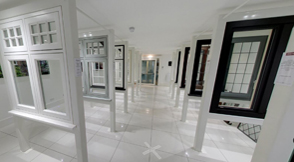
Our showroom consists of:
Thames Valley Window Company
Head Office & Showroom
44 Longshot Lane
Bracknell
Berkshire RG12 1RL
United Kingdom
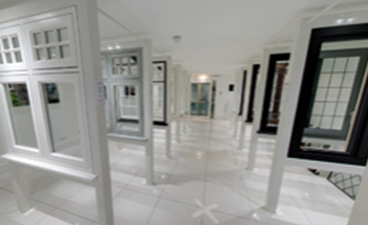
Designed so you can view most of our product range, our show room will help you understand what options will work best for you and your home.

Making plans to improve your home is exciting. If you would like to download any of our product brochures, please visit our brochure download page.