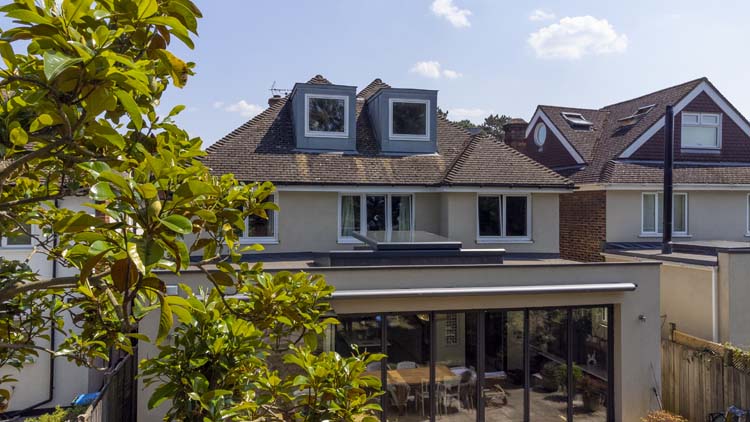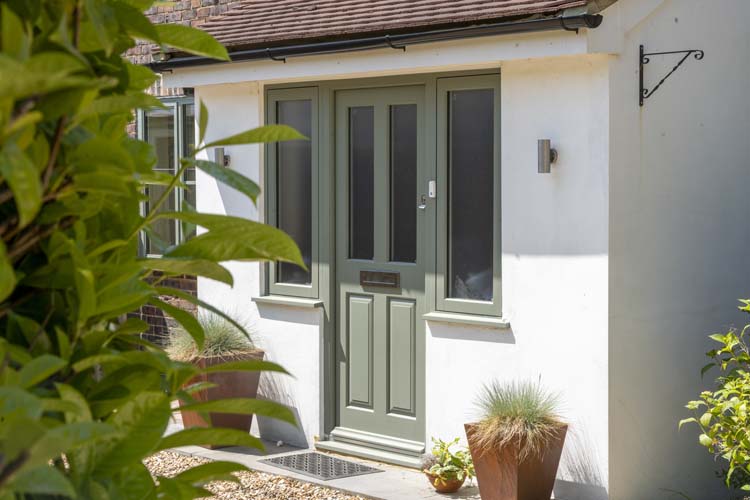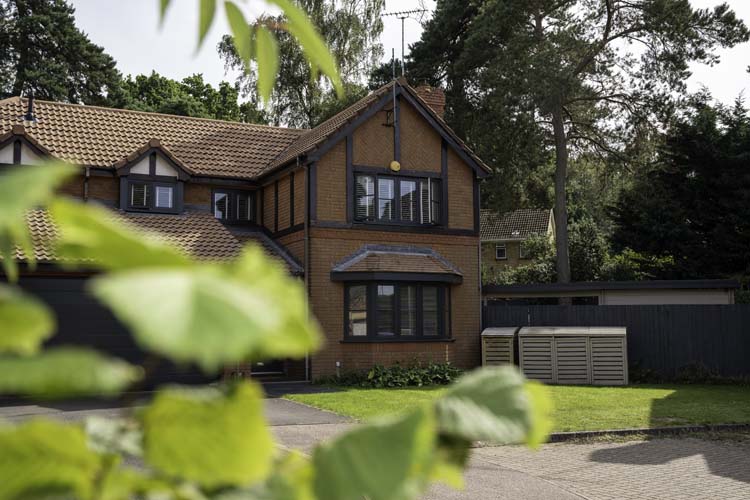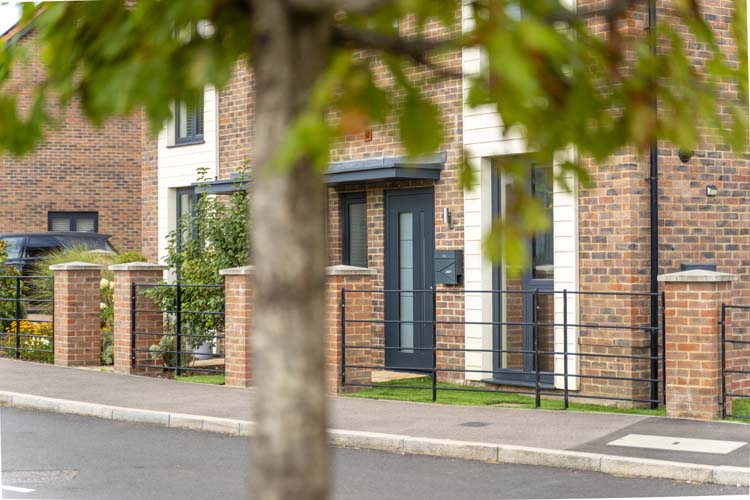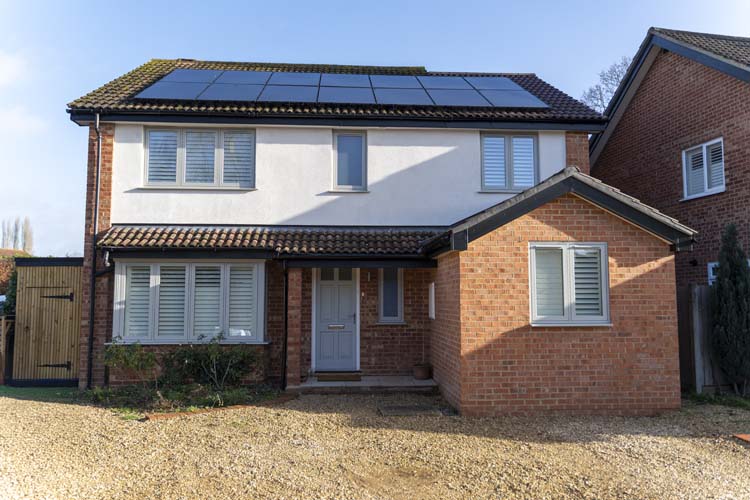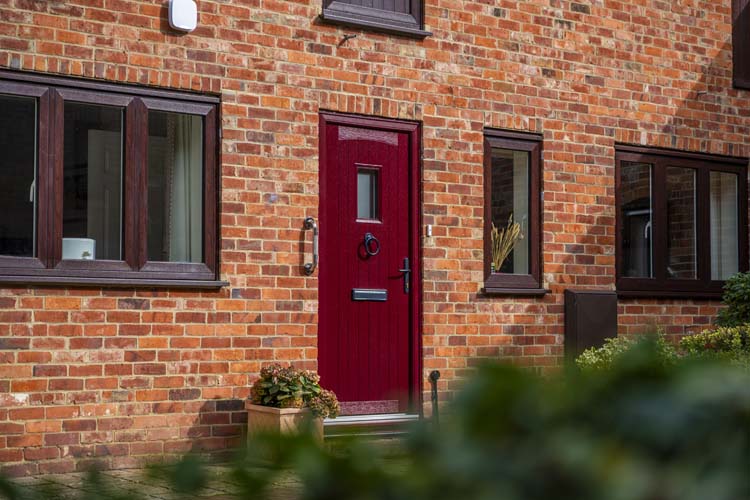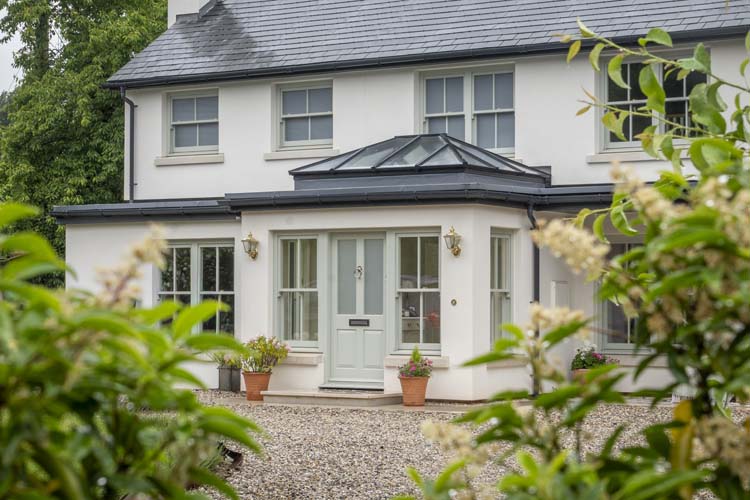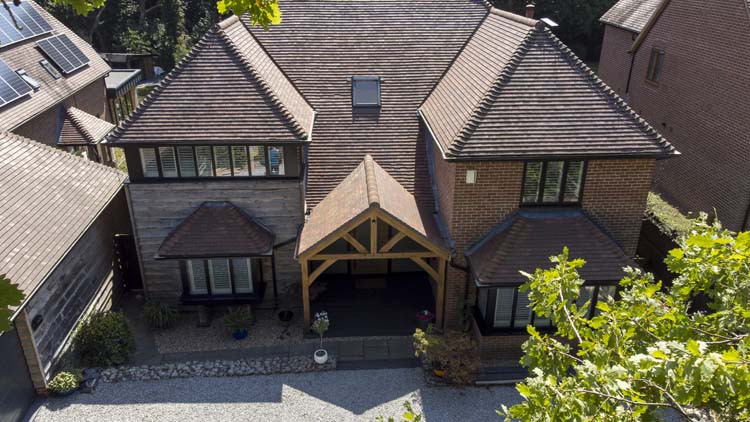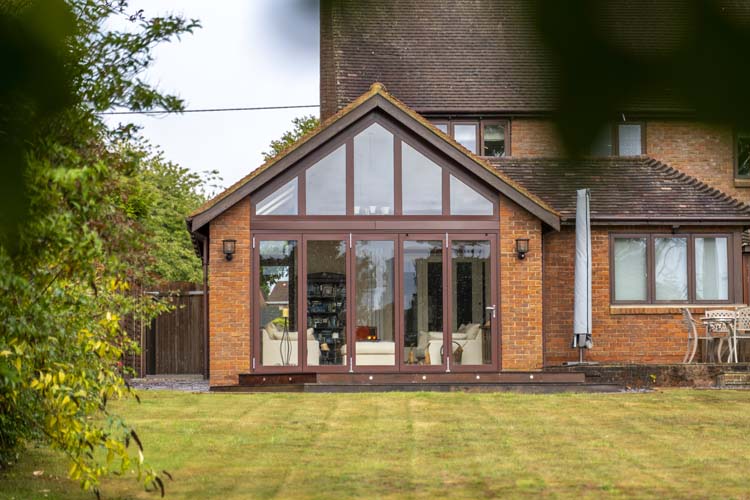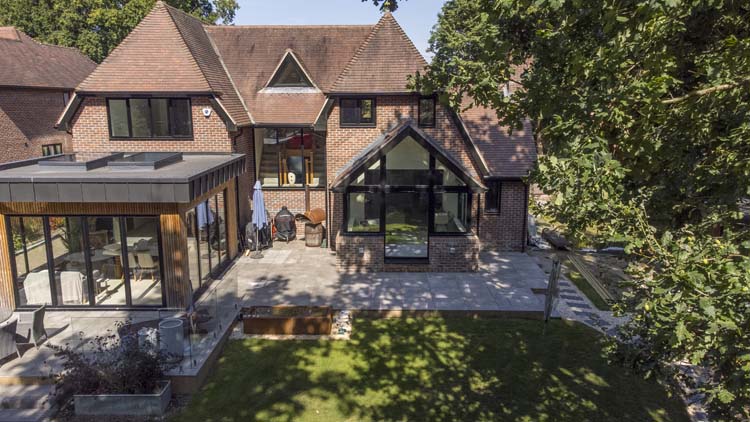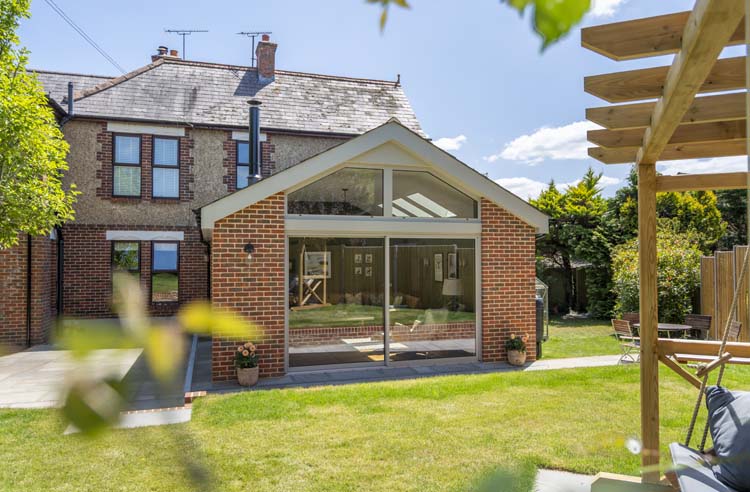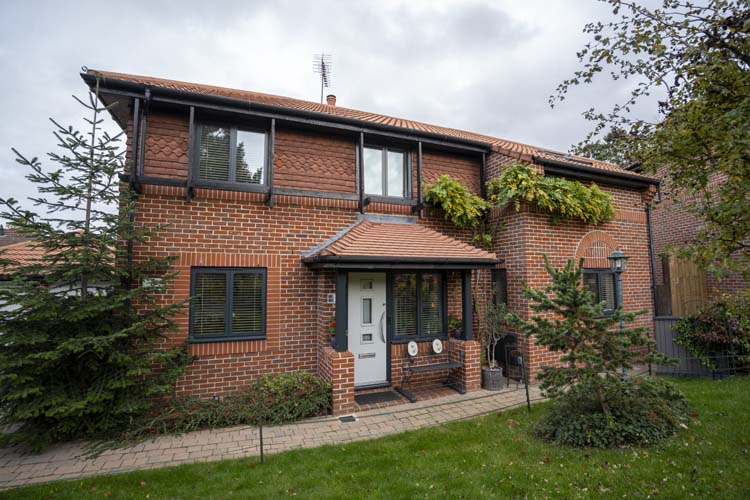
Replacing the windows in your home can create one of the most noticeable property transformations. The photographs may reveal cleaner lines, brighter frames and improved kerb appeal, but the real window replacement before and after results are often experienced indoors: fewer draughts, quieter rooms, smoother operation and a more comfortable temperature throughout the year.
Choosing new windows is not simply a matter of swapping one frame for another. The window style, material, colour, glazing and finer design details all influence how successfully the finished installation complements your home. With careful planning, replacement windows can preserve traditional character, sharpen a contemporary exterior and provide practical benefits that last for many years.
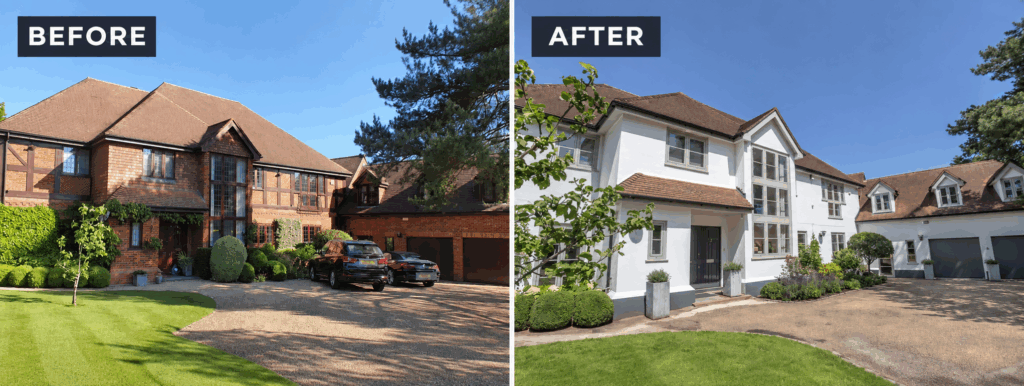
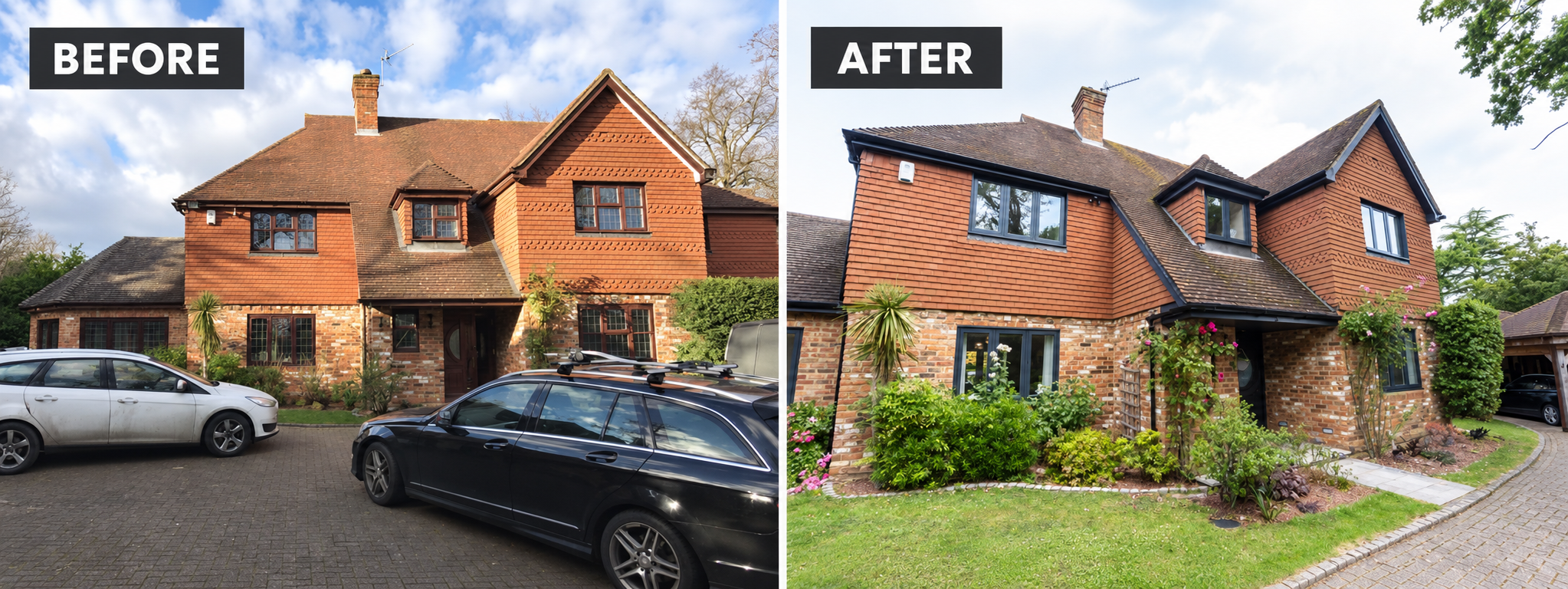
Before replacement, windows may show obvious signs of wear and tear. Timber can peel, crack or soften; older uPVC may become faded or discoloured; and ageing hardware can make windows difficult to open and close. Mist or moisture trapped between the panes usually indicates that a sealed unit has failed, while damaged seals can allow cold air and outside noise into the room.
The visual effect can be just as significant. Bulky frames, inconsistent colours or window designs from different periods can make an otherwise attractive home look untidy. Decorative details may be missing or poorly proportioned, particularly if the original windows were replaced without considering the architecture of the property.
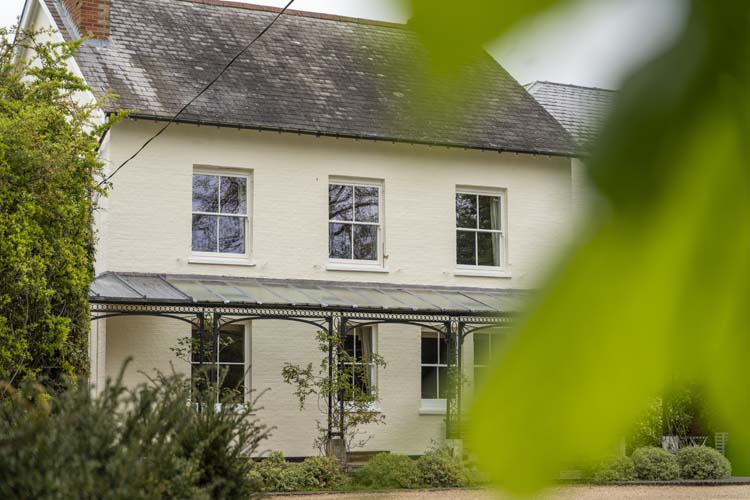
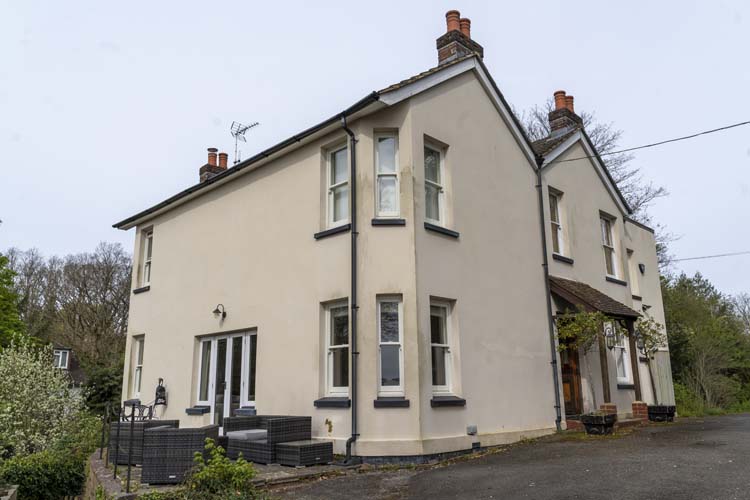
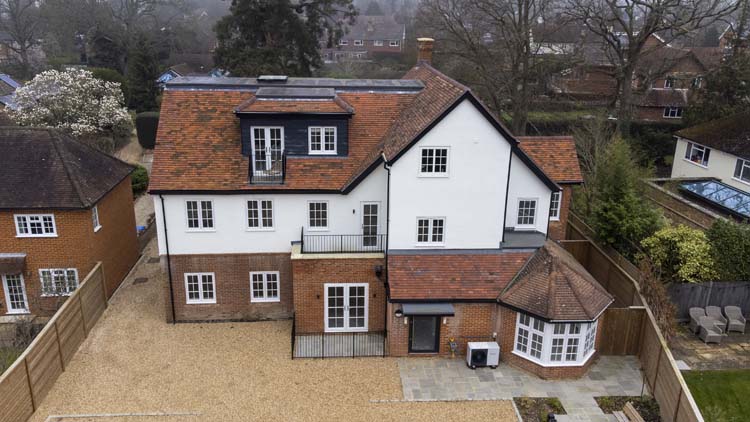
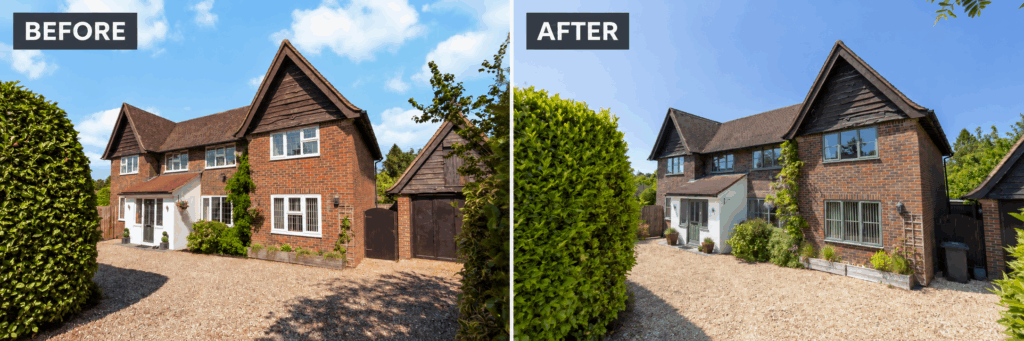
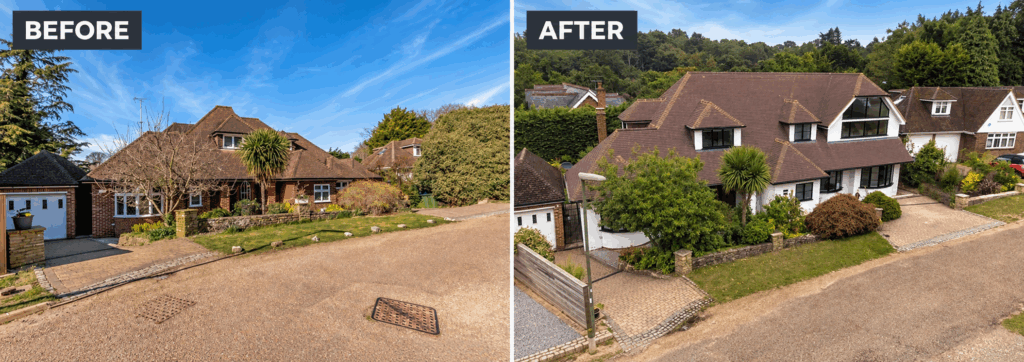
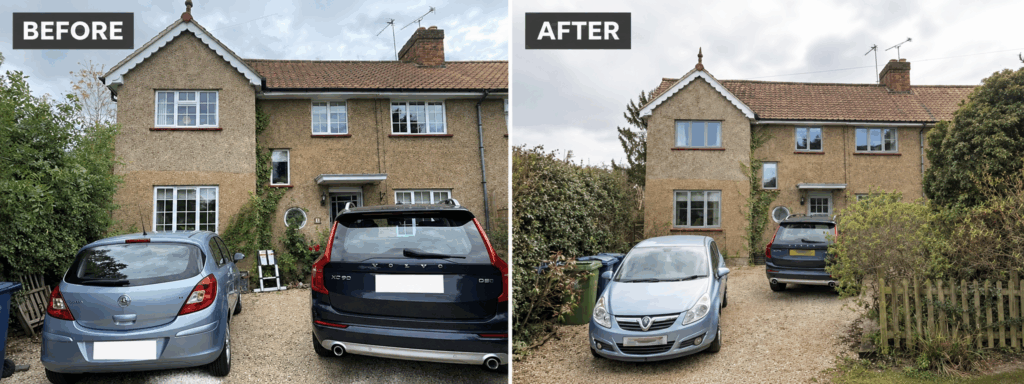
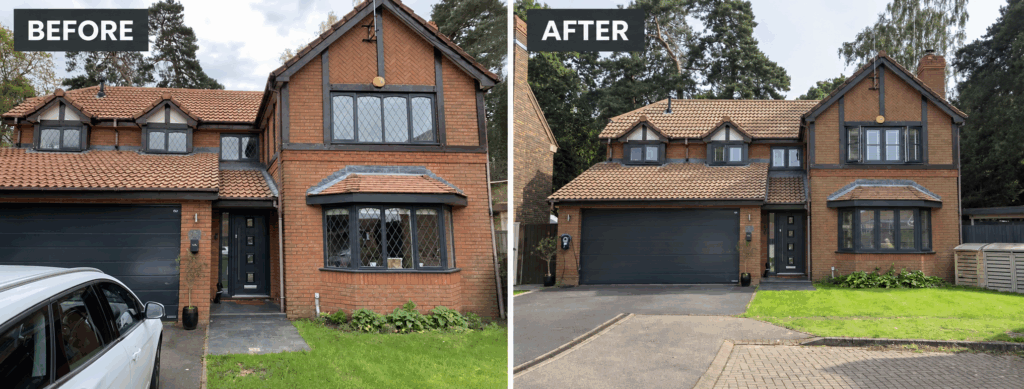
After window replacement work has been completed, the exterior should look more balanced and cohesive. New frames can restore symmetry, increase the visible glass area and coordinate more effectively with the front door, roofline and brickwork. Inside, homeowners often notice that rooms feel less draughty, road noise is reduced, and handles and locks operate more smoothly.
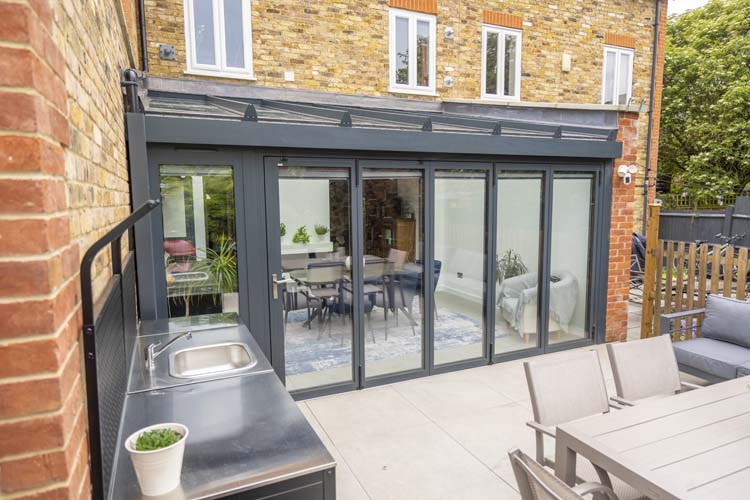
The right replacement windows can refresh an entire elevation without changing the fundamental character of the building. On a traditional house, carefully proportioned sash windows or flush casement windows can reinstate period detail. On a modern home or extension, slim aluminium frames can create a cleaner architectural finish and allow more daylight into the rooms.
Colour has a considerable effect on the final result. White remains a timeless option, while black and anthracite grey can give a property a bolder, more contemporary appearance. Softer greens, greys and wood-effect finishes often suit cottages and rural homes. Dual-colour frames provide further flexibility by allowing a distinctive exterior colour with a neutral finish indoors.
Small details matter too. A glazing bar can recreate the proportions of traditional panes, but its position, width and layout should feel appropriate to the age and scale of the building. Features such as sash horns, flush frames and heritage-style hardware can help new glazed windows look established rather than obviously modern.
Successful before-and-after projects treat the windows as part of the whole property. Repeating the same colours, sightlines and design language across each elevation usually delivers a more polished result than choosing every opening separately.
One of the most valuable changes is improved comfort. Older frames, worn seals and inefficient glass can create cold areas close to the window, even when the heating is on. Modern energy efficient windows are designed to reduce heat loss and help maintain a more consistent internal temperature.
This can make rooms more enjoyable to use. A dining table can sit beside a bay without an uncomfortable draught, a desk can be positioned near the window and bedrooms may feel less chilly on winter mornings. Replacement windows cannot compensate for every weakness in a property’s insulation, but they can address a significant source of heat transfer and unwanted air leakage.
Modern double glazing normally incorporates two panes separated by a spacer bar and a sealed cavity. Low-emissivity glass, warm-edge spacers and an insulating gas such as argon can improve thermal performance further. Triple glazing may be beneficial for exposed locations or homes designed to achieve particularly low energy use, although well-specified double glazing remains suitable for many UK properties.
The improvement will depend on the complete window rather than the glass alone. The thermal performance of the window frame, the quality of the seals and the standard of installation all contribute to the final result.
The answer depends on where the condensation appears. Moisture between the panes of glass usually means the sealed unit has broken down. Replacing the affected unit or window will remove that particular problem and restore a clear view.
Condensation on the room-facing surface is different. It develops when warm, humid indoor air meets a colder surface. More thermally efficient glazing can keep the internal pane warmer and may make condensation less likely, but household ventilation and moisture levels still need to be managed. Cooking, showering, drying laundry indoors and keeping trickle vents closed can all increase humidity.
Occasional moisture on the outside of modern glazed windows can actually indicate that the glazing is insulating effectively. Because less heat escapes through the glass, the external pane remains colder and may collect dew in certain weather conditions. This is normally temporary and is not a defect.
New windows can noticeably reduce external sound, particularly where the old frames have gaps, weak seals or poorly fitting opening sections. A precisely installed window frame limits the routes through which noise can enter, while modern glass specifications can improve acoustic performance.
For properties near a busy road, railway or flight path, acoustic laminated glass or panes of different thicknesses may be recommended. The most suitable design depends on the source and frequency of the noise. Simply adding another pane does not automatically provide the best solution.
Realistic expectations are important. No standard window can eliminate all outside sound, especially when trickle vents are open or noise is also travelling through the roof, walls or doors. Nevertheless, an appropriate combination of glass, airtight seals and professional installation can create a calmer environment for sleeping, working and relaxing.
The best design is one that suits both the property and the way each room is used.
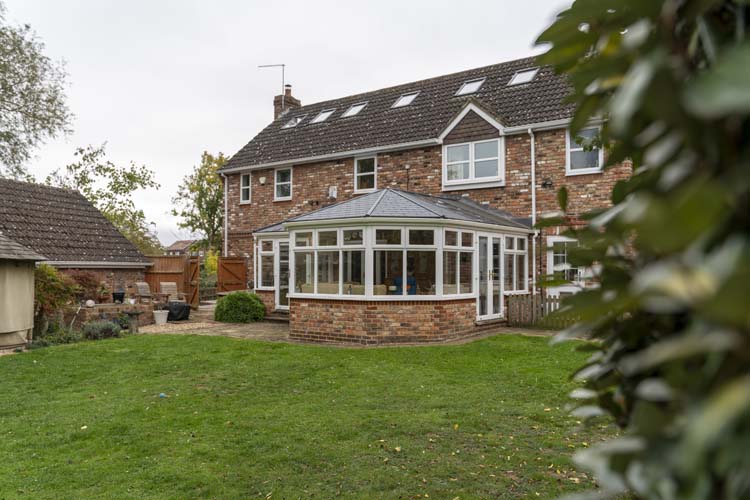
Casement windows remain a versatile choice for many British homes. Hinged at the side or top, they are available in traditional and contemporary configurations and can be adapted to suit different opening sizes. Flush casements sit level with the outer frame when closed, creating a neat appearance that works particularly well on cottages, heritage-inspired properties and modern developments.
Sliding sash windows are strongly associated with Georgian, Victorian and Edwardian architecture. High-quality modern versions retain the familiar vertical proportions while offering current standards of glazing, security and weather performance. Details such as sash horns and correctly arranged glazing bars help protect the property’s character.
Tilt and turn windows provide two opening options. They can tilt inwards at the top for controlled ventilation or open fully inwards for easier cleaning and access. Their practical operation makes them popular for contemporary houses, apartments and upper floors, although adequate space is needed inside the room for the inward-opening sash.
For larger or design-led openings, aluminium can support slimmer sightlines and a greater area of glass. Timber offers natural warmth and authentic detailing, while modern uPVC provides low maintenance, strong thermal performance and a wide variety of styles and finishes. In listed buildings or sensitive conservation settings, secondary glazing may improve comfort while retaining the existing primary windows.
Begin by identifying the problems you want the project to solve. Are particular rooms cold? Is traffic noise disturbing sleep? Do the windows feel insecure or fail to open and close correctly? Is the priority to reduce maintenance, improve the view or restore the original character of the house?
Next, study the building from inside and outside. Look at the alignment of frames, the amount of visible glass and the relationship between the windows and the entrance door. Photograph original features you want to retain. If only part of the house is being updated, consider how closely the new frames should match those remaining.
Planning restrictions may also affect the design. Properties in conservation areas, listed buildings and some newer developments can be subject to specific requirements. It is sensible to establish these before placing an order. Safety glazing, ventilation and means-of-escape requirements must also be considered as part of the survey and specification.
A detailed consultation should explore materials, colours, opening configurations, handles, security and glass options. Samples and showroom displays can be particularly helpful because colours and frame proportions often look different in person than they do on a screen.
There is no single answer to the question of replacement window costs. Price is influenced by the number and size of the openings, frame material, window style, glazing specification, colour, hardware and installation requirements. Bespoke shapes, specialist access, scaffolding and repairs to surrounding finishes can add to the overall cost.
A straightforward uPVC casement installation will usually differ considerably from a project involving bespoke timber sash windows or large aluminium frames. For that reason, generic online prices may be useful as a broad starting point but cannot replace a survey and a detailed quotation.
When comparing quotes, check exactly what is included. Look at the proposed glass, security specification, handles, vents, decorative features, internal finishing, disposal of the old windows and the guarantees provided. Two quotations that appear to cover the same openings may represent very different products and levels of service.
The lowest price is not necessarily the best long-term value. Windows are expected to withstand years of weather, repeated daily use and seasonal temperature changes. Product quality, accurate surveying and skilled fitting all influence how well they perform over time.
Even an excellent product can disappoint if it is fitted poorly. Inaccurate measurements, uneven frames or inadequate sealing can affect appearance, operation, thermal performance and weather resistance.
A professional installation starts with a comprehensive survey. The surveyor checks the dimensions and construction of each opening, identifies any structural concerns and confirms details such as sill depths, frame extensions, access and finishing. This is particularly important in older properties, where openings may not be perfectly square and previous work may be concealed around the existing frames.
During installation, the home should be protected and the old windows removed with care. Each new frame must be positioned, secured and sealed correctly before the opening sections, locks and drainage are tested. External joints should be weather-resistant, while internal trims and making-good should leave a tidy, considered finish.
On a larger renovation, the window programme should be coordinated with roofing, rendering, plastering, decorating and any new doors. Good sequencing prevents damage and avoids one trade having to undo another’s work.
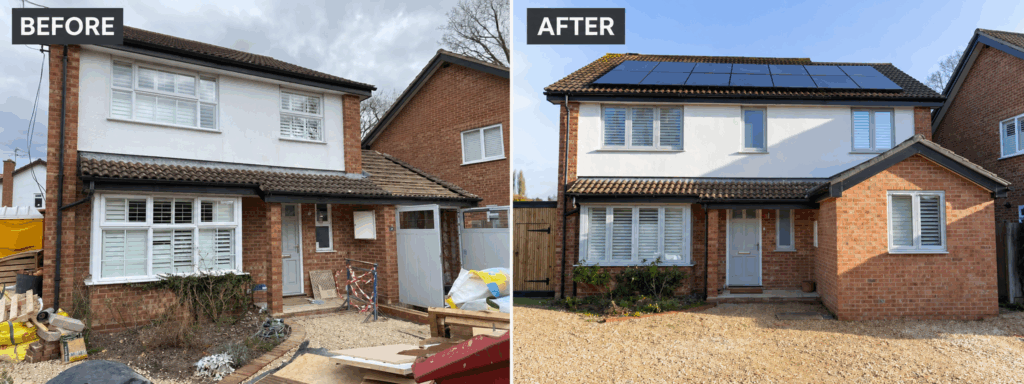
A successful installation should look appropriate from every angle and feel noticeably better to live with. From outside, check that the frames are aligned, the sightlines are consistent and the colour and proportions complement the building. Indoors, handles should feel secure, opening sections should move freely and every window should close without force.
The improvement may be most apparent over the following weeks. Rooms should feel more comfortable beside the glass, draughts should be reduced, and outside noise may be less intrusive. Maintenance should also become simpler, especially where deteriorating timber or failing hardware has been replaced.
Before-and-after photographs are useful, but they tell only part of the story. The most rewarding transformation brings together appearance, performance and everyday usability.
Every home has different architectural details, practical requirements and priorities. With an excellent Trustpilot rating, Thames Valley Windows has been helping homeowners improve their properties since 1984, providing knowledgeable advice across a wide range of uPVC, aluminium and timber window systems.
Our team can help you compare frame materials, glazing options, opening styles and finishes, with recommendations tailored to your home rather than a one-size-fits-all approach. From traditional sash windows and flush casements to contemporary aluminium and tilt and turn designs, careful specification ensures the finished installation looks right and performs as intended.
Visit our Bracknell showroom to explore the options in person, or contact Thames Valley Windows to arrange a consultation and discover the window replacement before and after results that could be achieved in your home.
Read our previous post - « Condensation on Windows: Causes, Fixes & Prevention
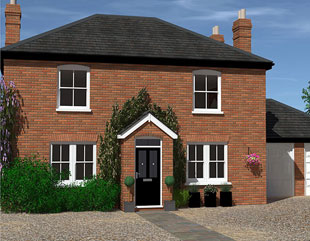
We can provide you with full colour 3D visualisations, allowing you to explore options that you may not have considered, with complete peace of mind.
Our showroom consists of:
Thames Valley Window Company
Head Office & Showroom
44 Longshot Lane
Bracknell
Berkshire RG12 1RL
United Kingdom
Designed so you can view most of our product range, our show room will help you understand what options will work best for you and your home.

Making plans to improve your home is exciting. If you would like to download any of our product brochures, please visit our brochure download page.