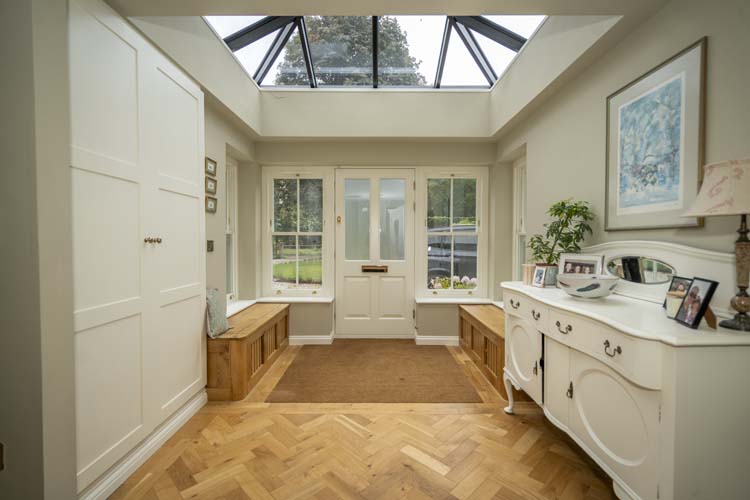
Natural light can transform the atmosphere of a home. A room that feels dark and enclosed can become brighter, more spacious and inviting simply by finding better ways to bring daylight inside.
Whether you are planning a new extension, updating an existing room or looking for ways to make a darker space feel brighter, there are several options to consider.
Here, we answer some of the most common questions about maximising daylight at home, from choosing the right type of glazing to considering rooflights and roof lanterns.
Daylight can have a significant impact on how a room looks and feels. Bright, naturally lit rooms often feel more spacious and welcoming, while darker spaces can feel smaller and less inviting.
Natural light can also contribute to our general wellbeing, which makes it worth considering when planning a home improvement project.
The amount of daylight a room receives will depend on factors such as its size, orientation, surrounding buildings and the position and size of its windows.
If a room has limited wall space for conventional windows, looking upwards could provide an effective solution.
Rooflights and roof lanterns introduce glazing into the roof itself, allowing daylight to enter from above. This can be particularly useful in extensions, kitchens and other areas where existing windows do not provide enough light.
Even a relatively modest glazed roof area can change the character of a room by allowing considerably more daylight into the space.
Yes. Rooflights can be an effective way of introducing additional daylight without taking up valuable wall space.
Because they are positioned in the roof, they can capture light from above rather than relying solely on light entering horizontally through windows.
This makes them particularly useful for rooms that sit towards the centre of a property or areas where neighbouring buildings, walls or the layout of the house restrict the amount of light available through conventional windows.

Both solutions are designed to bring more natural light into a property, but they have different appearances and applications.
A rooflight is generally a glazed opening fitted into the roof, providing a relatively simple way to introduce daylight from above.
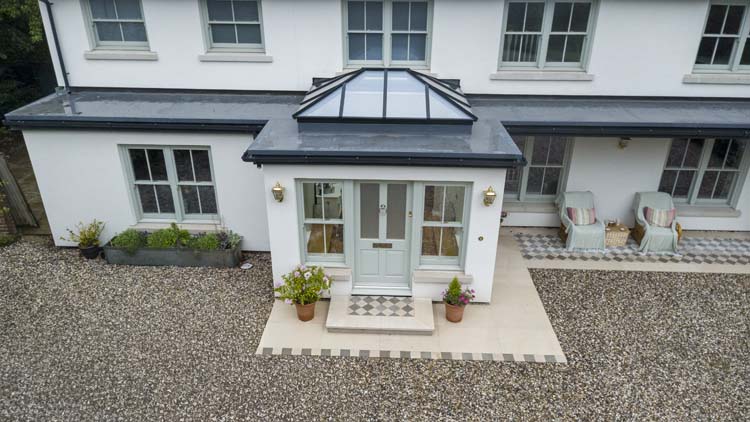
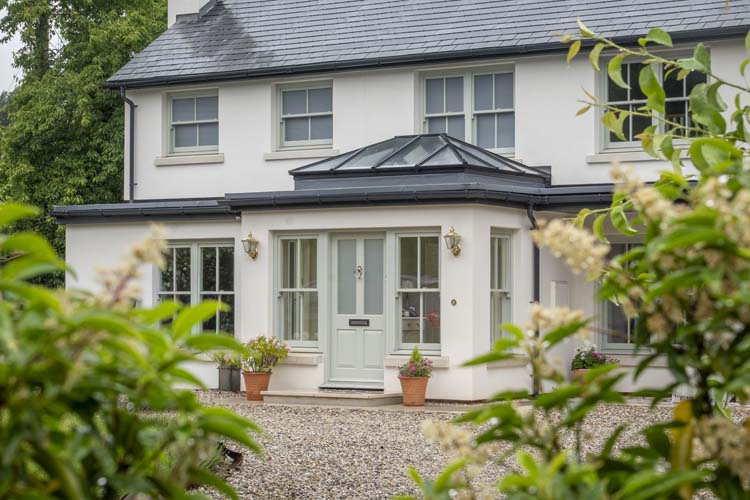
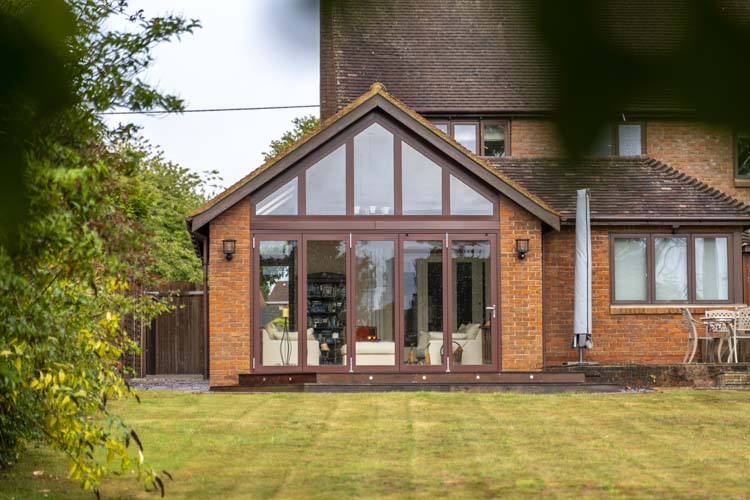
A roof lantern is a raised glazed structure that sits above the roof. As well as increasing the amount of glazing, its shape can become a feature of the room below.
The most suitable option will depend on the design of the property, the available roof space and the look you want to achieve.
There is no single position that will work for every property. The orientation of the building, the surrounding environment and the purpose of the room all need to be considered.
For example, south-facing glazing can provide strong levels of daylight during the day, making it an attractive option for spaces such as kitchens and living areas.
However, orientation should not be considered in isolation. The position of the rooflight or roof lantern, the size of the glazed area and potential shading from nearby buildings or trees can all influence the final result.
A roof lantern can be particularly effective in a kitchen, especially where the room forms part of an extension.
Kitchen extensions can sometimes have limited opportunities for traditional windows, particularly where cupboards, walls or the property’s layout restrict the available space.
Installing glazing within the roof can provide another source of daylight and help create a brighter, more open-feeling kitchen.
In many cases, it is possible to incorporate a rooflight into an existing roof, but the work needs to be carefully planned.
Creating an opening can affect the existing roof structure. Depending on the construction, it may be necessary to alter or reinforce the roof using additional timber or steelwork.
This is why the structural implications should be assessed before installation. A structural engineer can determine what is required and provide the appropriate calculations and design.
Planning requirements can vary depending on the property and the proposed installation.
Some rooflight projects may fall under permitted development rights, meaning planning permission is not necessarily required. However, restrictions can apply depending on factors such as the property’s location, position and age.
Before beginning work, it is sensible to establish which planning rules apply to your particular project.
Building regulations may also need to be considered separately from planning permission.

The glazing you choose can influence more than simply the amount of daylight entering the room.
Modern roof glazing can be specified with double or triple glazing, helping to improve the thermal performance of the installation. Good-quality glazing can also provide acoustic benefits, which can be particularly useful in busy areas.
When choosing glazing, it is therefore worth looking at the overall performance of the product rather than considering daylight alone.
The amount of glazing in a home needs to be considered alongside its thermal performance.
Modern double- and triple-glazed units can provide much better insulation than older forms of glazing. Choosing a suitable, well-insulated product can therefore help create a comfortable space while still allowing natural daylight into the property.
Professional installation is equally important. Even high-performance glazing needs to be correctly fitted and sealed to perform as intended.
A rooflight installation can involve both structural and glazing work, so choosing experienced professionals is important.
Depending on the project, a builder or roofer may be responsible for preparing the roof opening and ensuring the structure is suitable. The glazing itself should be installed by an appropriately qualified and competent installer.
Using reputable professionals can help ensure the installation is safe, weatherproof and compliant with the relevant requirements.

It can.
Daylight can make a room feel more open and spacious, particularly when it reaches areas that previously received little natural light.
A roof lantern can also create a stronger visual connection between the room and the sky above, adding a sense of height and openness.
This can be particularly effective in extensions, kitchens and living spaces where creating a bright, airy environment is a priority.
Before choosing a rooflight or roof lantern, consider the whole project rather than simply the amount of glass you want to add.
Important considerations include:
Taking these factors into account at the design stage can help avoid costly changes later.

There is no universal solution, as every home is different. However, if conventional windows are not providing enough light, introducing glazing into the roof can be one of the most effective options.
A rooflight or roof lantern can bring daylight into areas that would otherwise remain relatively dark, while also becoming an attractive feature within the room.
The best approach is to consider the room’s orientation, layout, roof structure and intended use together. This will help you determine where additional glazing could have the greatest impact.
If your aim is to create a brighter kitchen, extension or living space, a roof lantern could be worth considering.
It can combine the practical benefit of bringing more daylight into the property with the visual appeal of a prominent glazed feature.
For an existing property, however, the suitability of any roof glazing will depend on the construction of the roof and the requirements of the proposed installation.
Professional advice can help establish what is possible and identify the most appropriate solution for your home.
Maximising daylight is not necessarily about installing the largest possible amount of glass. It is about using glazing strategically.
Think about where daylight is currently being lost, which parts of the room feel darkest and how the sun moves around your property. From there, you can consider whether additional windows, a rooflight or a roof lantern would provide the greatest benefit.
With the right design, glazing can help turn a darker room into a brighter, more comfortable and enjoyable part of the home.
Are you interested in a rooflight or roof lantern for your home? Speak with one of our design team today, here.
You may also be interested in reading our blog article “On Trend Flat Roof Lights and Glass Lanterns”
Read our previous post - « 2027 Future Glazing Technology Trends for Better Homes
We can provide you with full colour 3D visualisations, allowing you to explore options that you may not have considered, with complete peace of mind.
Our showroom consists of:
Thames Valley Window Company
Head Office & Showroom
44 Longshot Lane
Bracknell
Berkshire RG12 1RL
United Kingdom
Designed so you can view most of our product range, our show room will help you understand what options will work best for you and your home.

Making plans to improve your home is exciting. If you would like to download any of our product brochures, please visit our brochure download page.