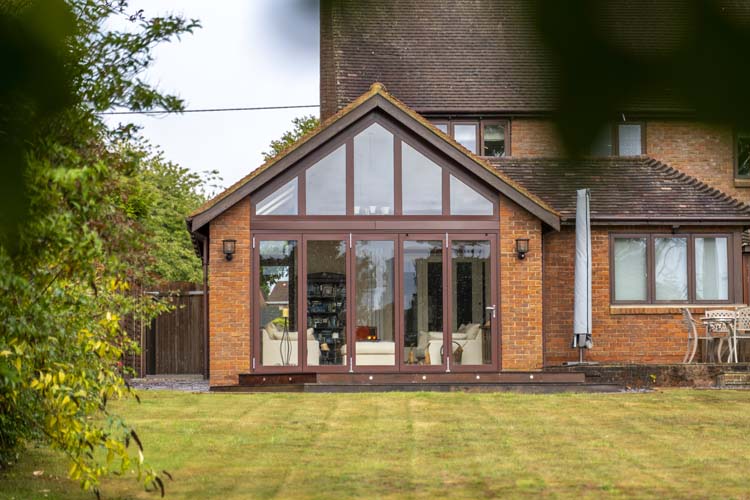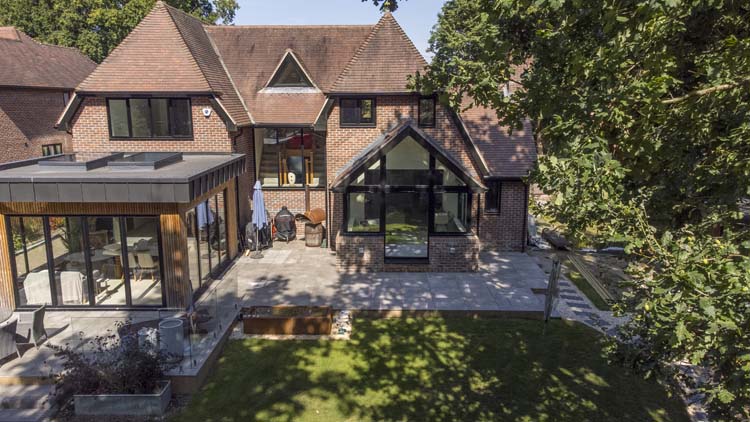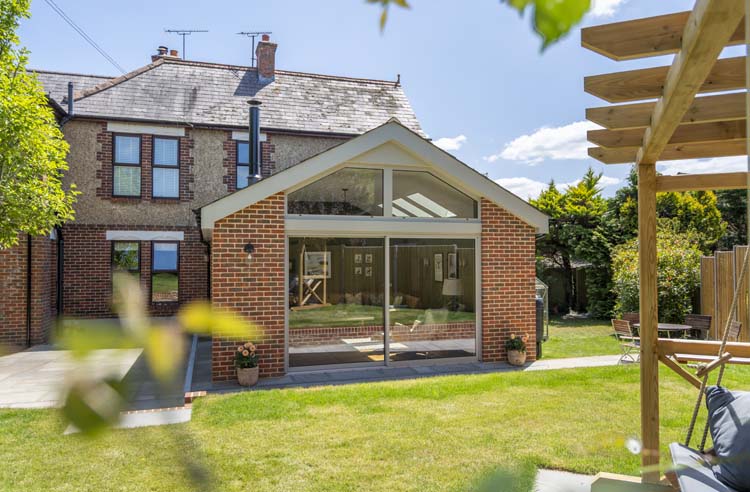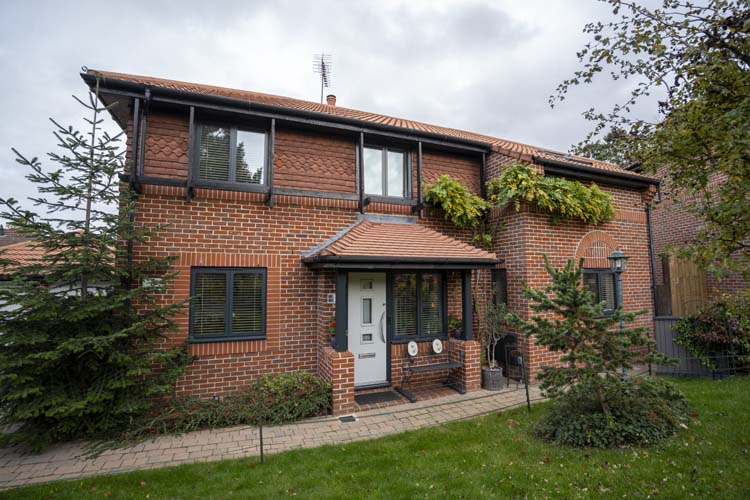
If you are considering replacement windows, extending your home or planning a new build, understanding window U-values will help you compare the thermal performance of different glazing systems.
Request a Free Quote
Here, we answer some of the questions homeowners most frequently ask.
A window U-value measures how quickly heat passes through a complete window. It is expressed in watts per square metre per kelvin, written as W/m²K.
In simple terms, the lower the U-value, the better the window is at retaining heat. A lower window U-value can help improve comfort, reduce heat loss and decrease the demand placed on your heating system during colder weather.
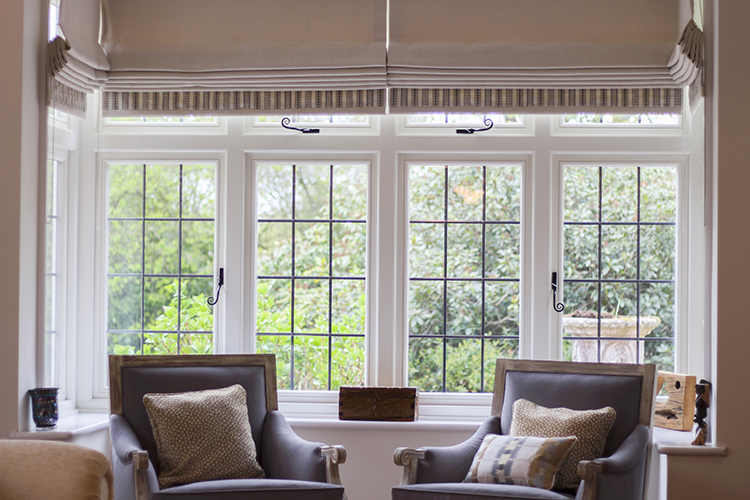
What counts as a good U-value depends on the age and design of the property, the window system and whether double or triple glazing is being considered.
The figures below provide a general comparison:
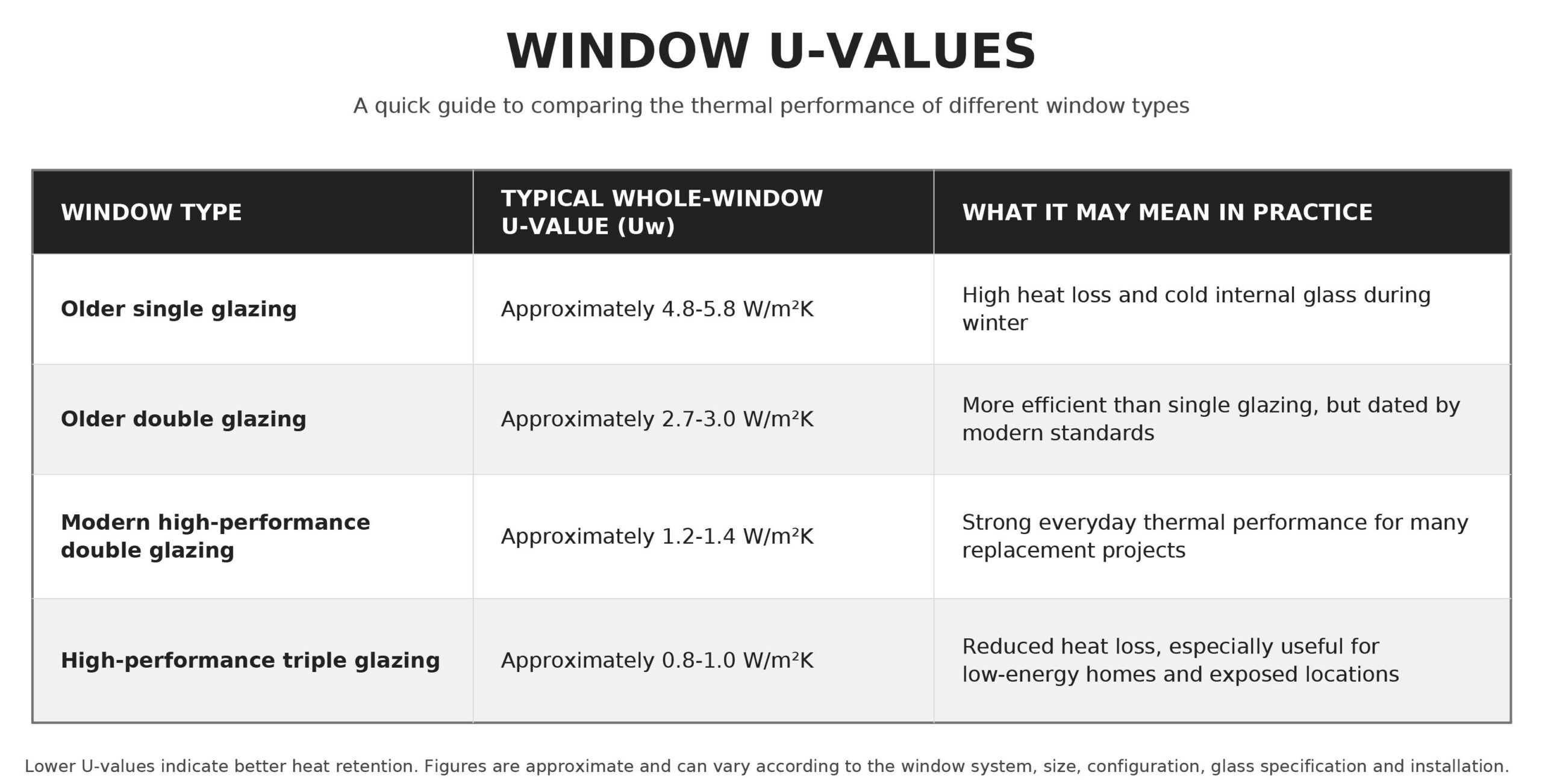
These figures are approximate. Performance can vary according to the window’s size, style, configuration and glass specification.
You may see several figures when reviewing a window quotation:
The Uw value is generally the most useful figure because it includes the glass, frame and spacer bars. When comparing quotations, ask for the whole-window value for the actual design being supplied.
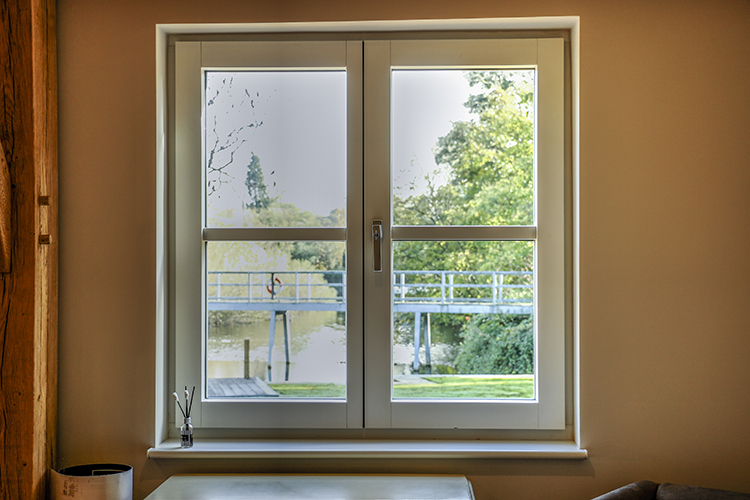
Triple glazing can achieve lower window U-values and may make the internal glass surface feel warmer. It can be particularly beneficial for energy-efficient new builds, exposed properties and rooms with large areas of glazing.
However, modern double glazing remains an excellent choice for many homes. It can provide strong thermal performance while offering slimmer sightlines, reduced weight and good levels of natural light. The right option will depend on the property and your priorities.
Yes. Aluminium, timber and uPVC frames each have different thermal properties.
Modern aluminium systems incorporate thermal breaks to reduce heat transfer. Timber is naturally insulating, while quality uPVC systems offer effective thermal performance and good value. Frame depth, seals, warm-edge spacer bars, gas-filled cavities and low-emissivity glass coatings also influence the finished window U-value.
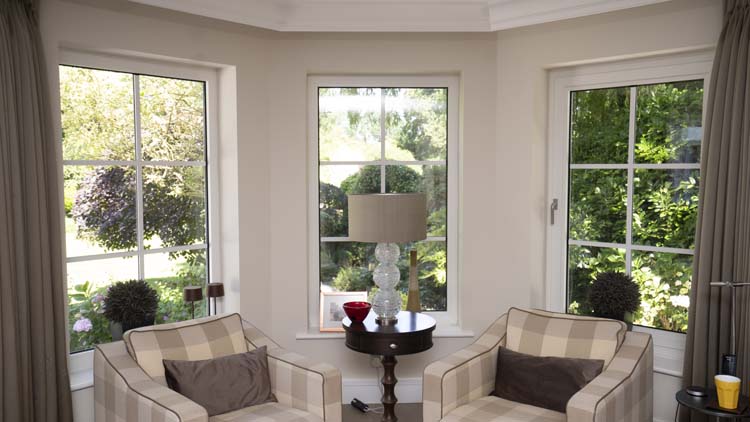
Even a high-performance window may not deliver the expected benefits if it is installed incorrectly. Gaps around the frame, inadequate sealing or an unsuitable connection with the surrounding wall can create draughts and increase heat loss.
A professional survey and careful installation help ensure that the windows perform as intended.
Not necessarily. Window U-values are important, but they are only one part of the specification. Natural light, solar gain, ventilation, security, frame proportions and architectural style should also be considered.
At Thames Valley Windows, we assess how your property is used, its orientation and the appearance you want to achieve. This allows us to recommend windows that balance thermal performance with comfort, daylight and design.
Read our previous post - « Bifold Door Security: How to Keep Your Home Safe and Protected
We can provide you with full colour 3D visualisations, allowing you to explore options that you may not have considered, with complete peace of mind.
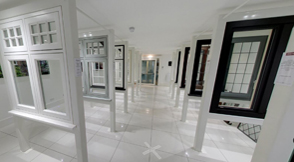
Our showroom consists of:
Thames Valley Window Company
Head Office & Showroom
44 Longshot Lane
Bracknell
Berkshire RG12 1RL
United Kingdom
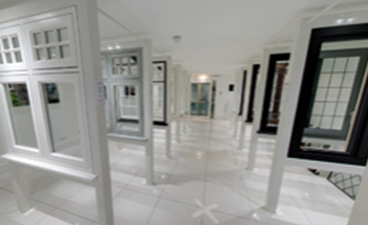
Designed so you can view most of our product range, our show room will help you understand what options will work best for you and your home.

Making plans to improve your home is exciting. If you would like to download any of our product brochures, please visit our brochure download page.